Shanxi Jianing Forging provides customized processing of lightweight aluminum alloy forgings and aluminum flanges. The on-site aluminum alloy forging project cases are complete, with products that are lightweight and meet strength standards, compatible with new energy and lightweight equipment.
In the field of mining vehicle parts, the reliability of key structural components directly affects equipment operation safety and maintenance costs. A mining truck parts factory in Jiading, Shanghai, discovered during long-term production that some core components—such as steering knuckles and drive shaft connectors—frequently exhibited early fatigue cracks during use, leading to more unplanned downtime and persistently high maintenance costs. After multiple rounds of technical evaluation, the factory ultimately chose to cooperate with Jianing Forging to customize the development of alloy steel forgings, successfully solving this long-standing challenge.
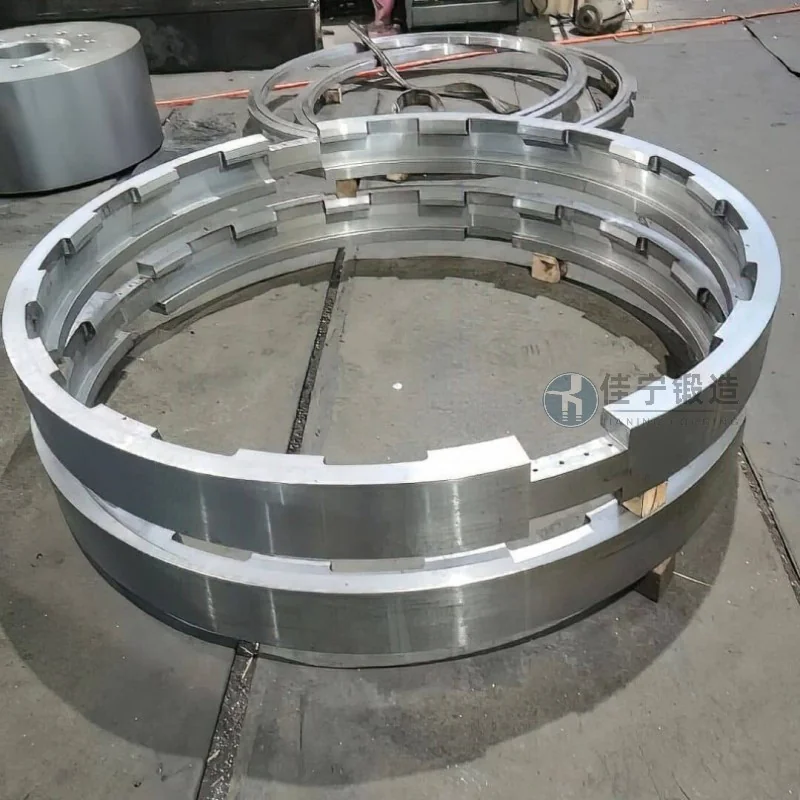
The original forging scheme used by this mining truck parts factory had obvious performance shortcomings: the material's impact toughness was insufficient, and under heavy loads and high-frequency impact conditions, microcracks inside the forgings rapidly propagate, resulting in an average service life far below design expectations; At the same time, suppliers lack stable control over the heat treatment process, resulting in large fluctuations in hardness and strength between batches, which poses hidden risks for vehicle assembly and later use. These pain points not only increase the frequency of spare parts replacements but also affect the overall efficiency of mining operations.
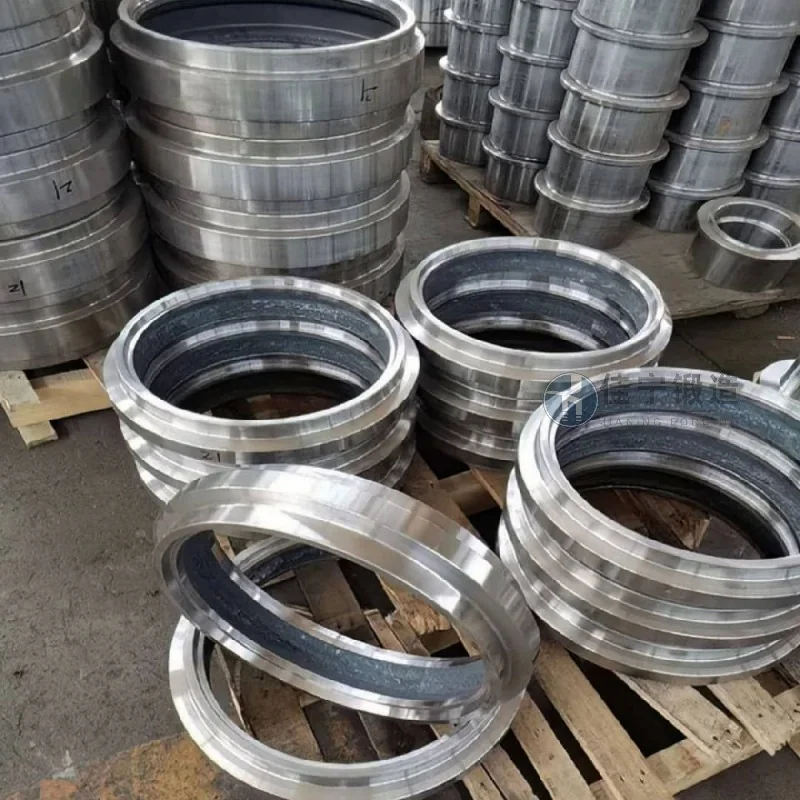
Jianing Forging has systematically optimized material selection, forging processes, and heat treatment parameters tailored to the customer's specific working conditions. First, using alloy steel with a custom composition enhances impact absorption while enhancing strength; Second, multi-directional forging is used to refine grains, eliminate casting defects, and make the flow distribution of forgings more closely aligned with the direction of force application; Finally, through stable quenching and tempering, hardness fluctuations are kept to a minimum, ensuring consistent performance across batches. After actual loading tests, the fatigue life of the new forgings has significantly improved compared to the original plan, with no premature cracking occurring, effectively reducing the customer's overall costs.