Shanxi Jianing Forging provides customized processing of lightweight aluminum alloy forgings and aluminum flanges. The on-site aluminum alloy forging project cases are complete, with products that are lightweight and meet strength standards, compatible with new energy and lightweight equipment.
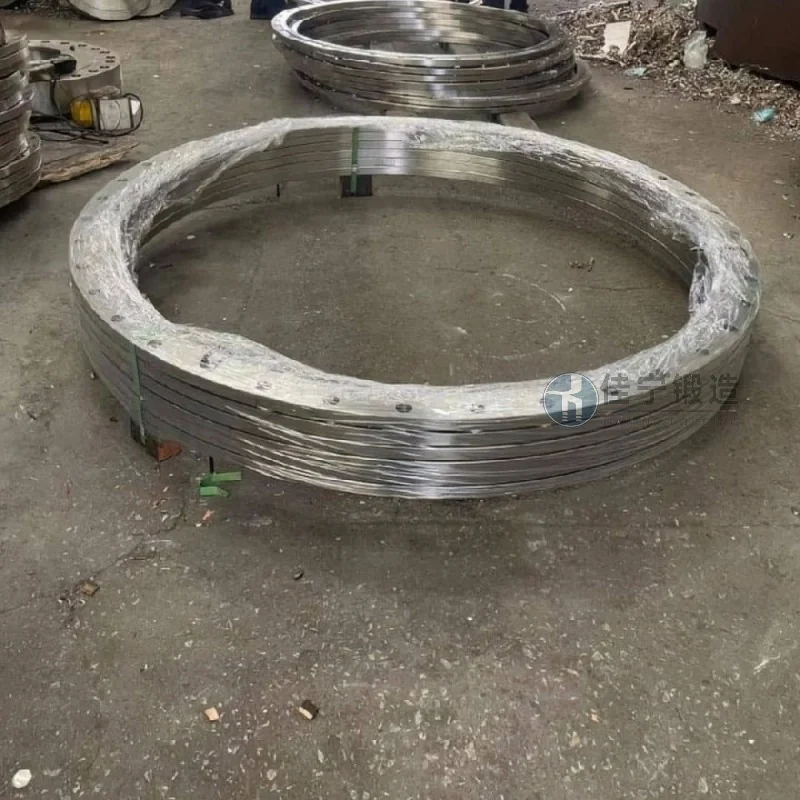
A metallurgical valve factory in Tai'an, Shandong, due to frequent failure of valve body components under high temperature and high pressure conditions, commissioned us to conduct custom development of alloy steel forgings. The plant's original cast steel parts exhibited significant creep deformation during continuous operation above 800°C, leading to valve seal failure. The average replacement cycle was less than three months, severely affecting the continuous operation of the production line.
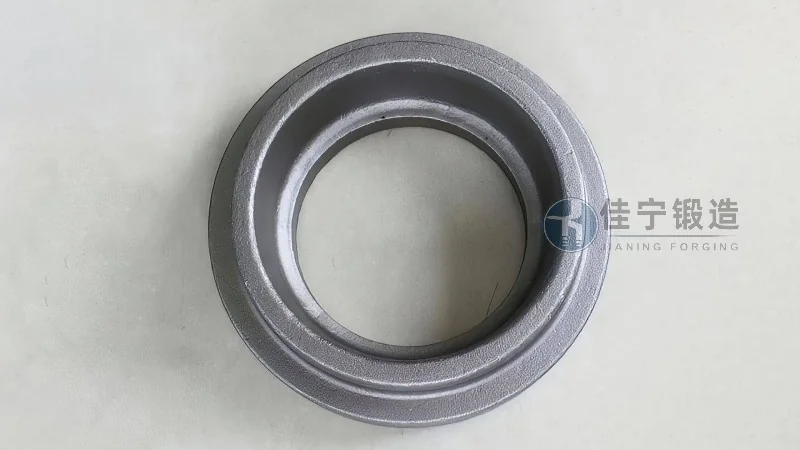
The core issues faced by customers include: (1) The creep resistance of existing cast steel parts at high temperatures is insufficient, causing material strength to drop sharply as temperature rises; (2) Frequent opening and closing of the valve surface causes thermal fatigue cracks, shortening the overall service life; (3) Components are heavy, increasing the load on the drive mechanism and resulting in higher energy consumption; (4) Supplier delivery times are unstable, lacking the ability to optimize material composition and heat treatment processes in a targeted manner.
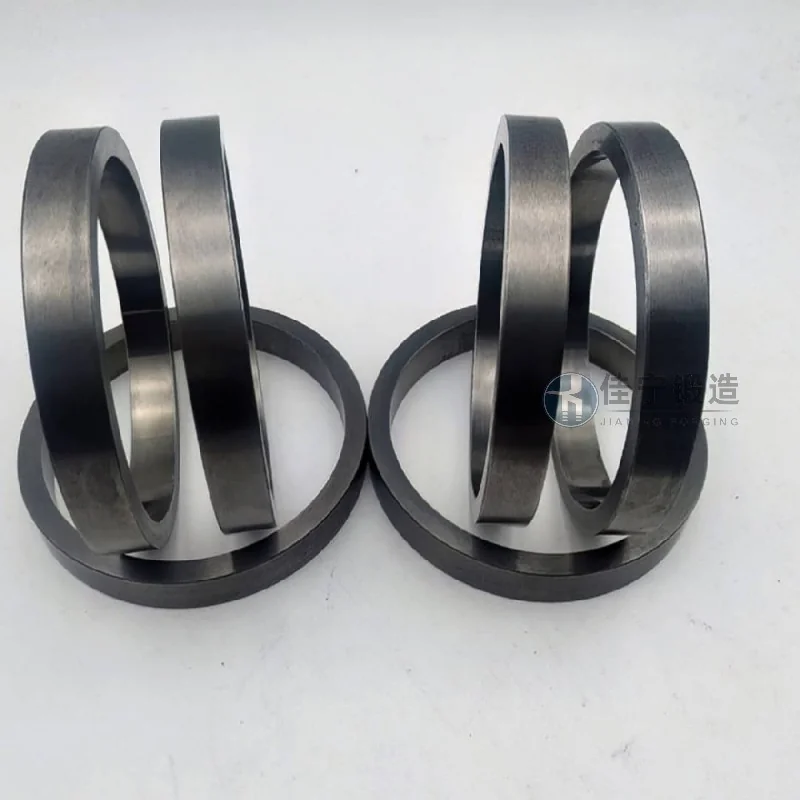
To address these pain points, we offer a customized alloy steel forging solution: using Cr-Mo-V series heat-resistant alloy steels, with multi-directional forging processes to eliminate internal looseness, making the grain structure denser and more uniform; Combined with more precise normalizing + tempering treatment, it maintains relatively high strength while improving high-temperature creep resistance. After forming, the forging undergoes ultrasonic flaw detection and comprehensive mechanical property testing, ensuring internal defect-free results. In actual use, the continuous operating cycle of this forging at 800°C has been extended to over 18 months, about six times higher than previous cast steel parts; At the same time, structural optimization reduces component weight by 12%, lowers valve opening and closing torque, and achieves energy savings and consumption reduction.