Shanxi Jianing Forging provides customized processing of lightweight aluminum alloy forgings and aluminum flanges. The on-site aluminum alloy forging project cases are complete, with products that are lightweight and meet strength standards, compatible with new energy and lightweight equipment.
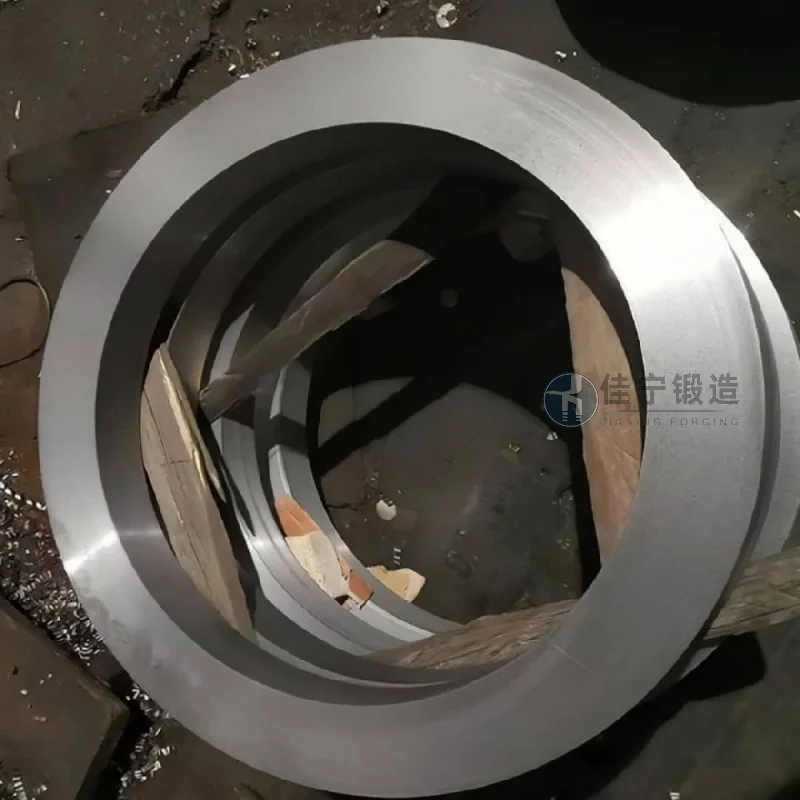
A heavy construction machinery factory in Wuqing, Tianjin, has long needed relatively high strength and high wear resistance alloy steel forgings for key structural component production. The factory has strict requirements for the internal microstructure density, dimensional accuracy, and batch consistency of forgings. Jianing Forging provides customized alloy steel forging solutions, helping it improve equipment reliability and reduce overall costs.
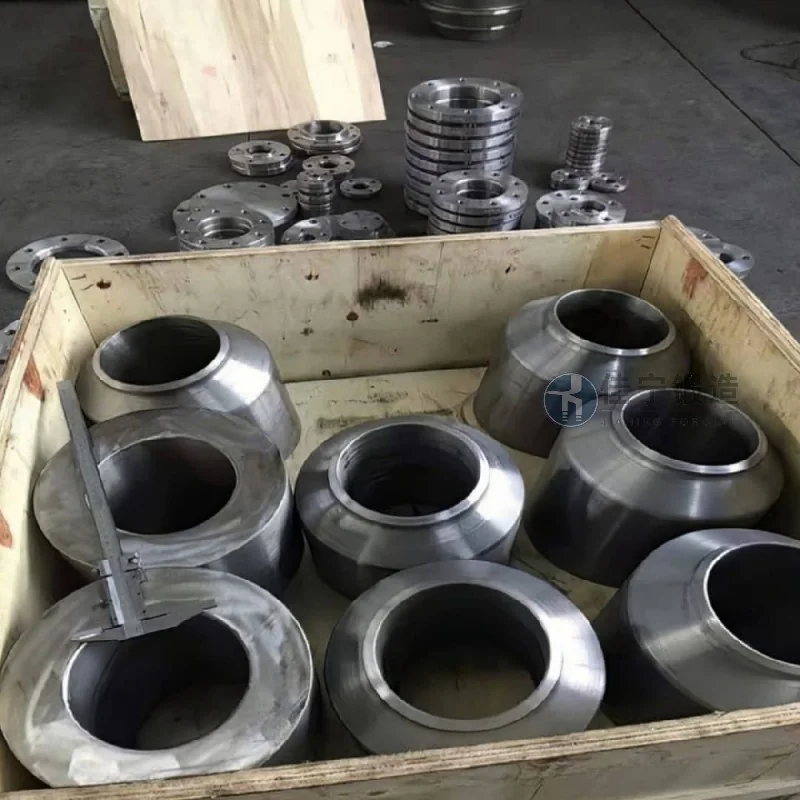
The factory faces multiple challenges in actual production: first, microcracks and segregation within the raw materials lead to a high scrap rate during subsequent processing; Second, traditional forging processes lack dimensional stability, requiring frequent trimming during assembly and affecting production line efficiency; Third, insufficient removal of surface oxide scale, increasing the time cost of subsequent spray cleaning processes; Fourth, the long supply cycle makes it difficult to match its flexible production schedule.
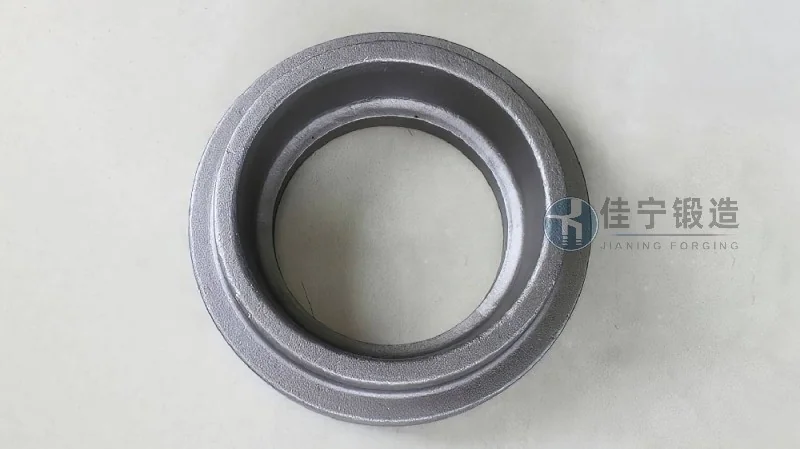
To address these pain points, Jianing Forging optimizes the entire process from material selection to forging processes. Using pure alloy steel billets combined with temperature-controlled forging and multi-directional forging technologies, internal defects are effectively eliminated, grain refinement is achieved, making the internal structure of the forgings dense and uniform. Through fine molds and profile forging, the dimensional tolerances of individual parts are controlled within the customer's required tolerance zone, enabling direct assembly without machining. It also introduces high-temperature, short-term oxidation-free heating, greatly reducing scale formation and shortening subsequent processing time. Additionally, the flexible scheduling mechanism can reduce order cycles by more than 30%, supporting customers to deliver on demand.