Shanxi Jianing Forging includes real-life engineering cases of tube sheets, flanges, and various round disc forgings. The finished products of carbon steel and stainless steel disc forgings are clearly photographed, directly reflecting the processing precision of the forgings and the effectiveness of pipeline compatibility.
In the field of construction machinery, disc forgings, as key structural components, have quality that directly affects the overall operational stability and service life of the entire machine. A construction machinery factory in Longnan, Gansu, had long faced issues such as insufficient product dimensional accuracy, severe material waste, and low production efficiency during the procurement of coil forgings, which restricted the smooth assembly of the entire machine and cost control. To address these pain points, Jianing Forging systematically optimized everything from raw material selection and mold design to forming processes, providing the customer with a reliable disc forging solution.
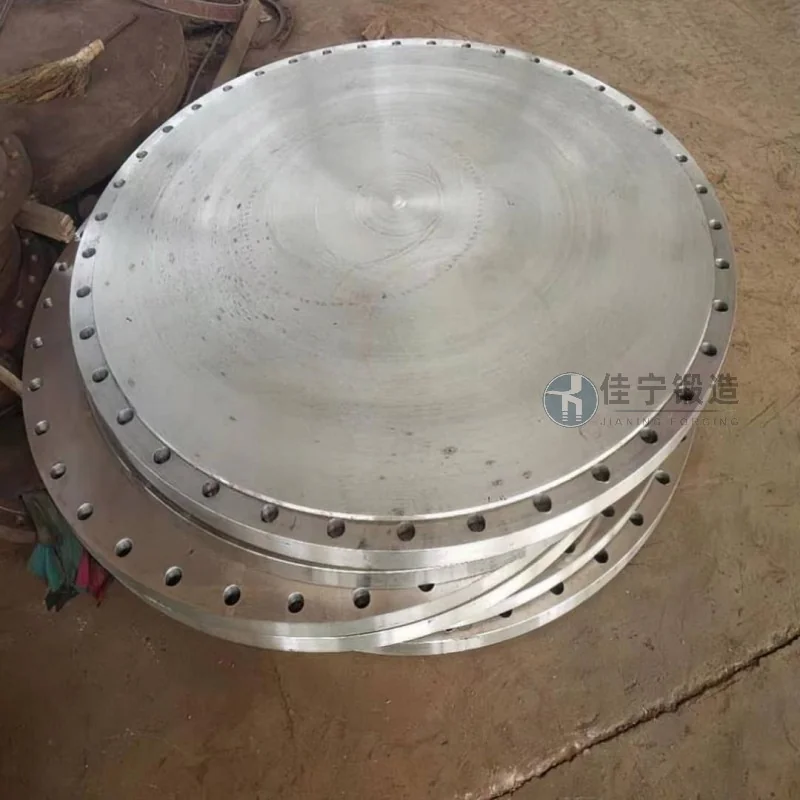
A construction machinery factory in Longnan, Gansu, mainly produces loaders, bulldozers, and other equipment, whose core steering mechanisms and connecting components all require disc forgings. The factory originally used the traditional open-die forging process, resulting in large machining allowances and material utilization rates below 60%, with significant dimensional fluctuations between batches, resulting in repeated repairs during assembly and seriously disrupting production cycles. After Jianing Forging got involved, they used fine die forging technology to increase material utilization to over 82%, while also helping to ensure product dimensional consistency.
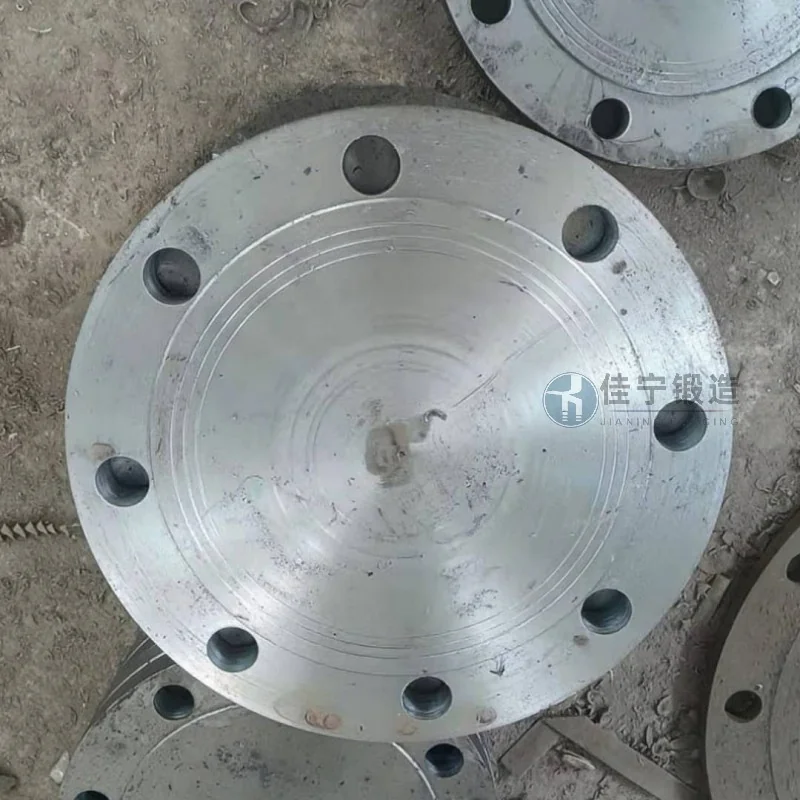
The main pain points faced by this customer include: 1. Coaxiality deviations of the forging's outer cylinder and inner hole exceeding 0.5mm, resulting in a high scrap rate in subsequent turning processes; 2. Using only 45 steel as a single material, with insufficient strength reserves under certain working conditions, making early fatigue failure more likely; 3. Unstable post-forging heat treatment processes, resulting in uneven hardness distribution and accelerated tool wear during subsequent processing; 4. The original supplier's delivery cycle was as long as 45 days, making it difficult to meet the factory's flexible production scheduling needs for "small batches and multiple varieties."
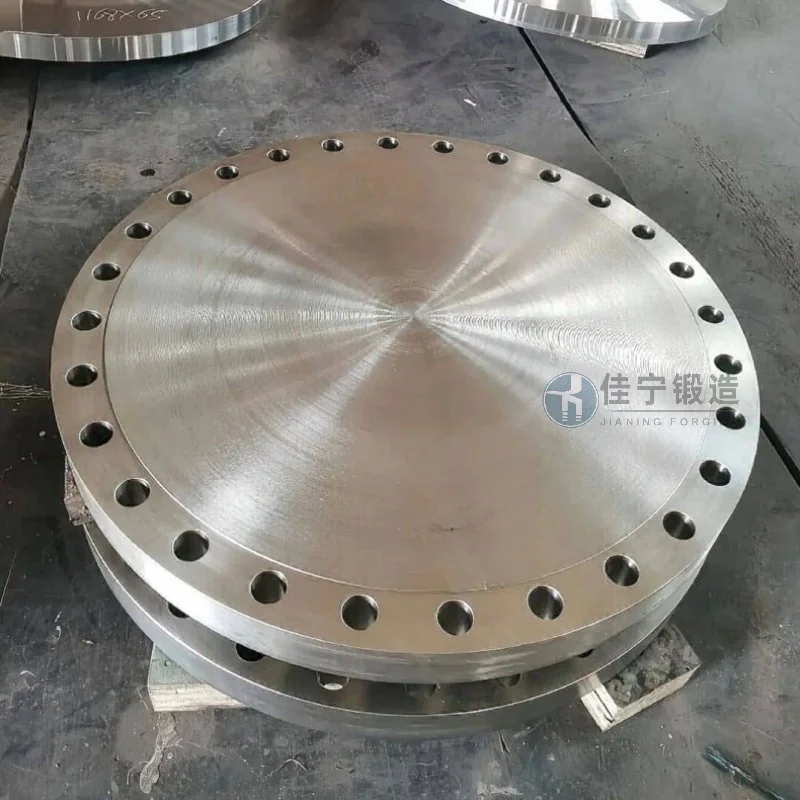
To address these pain points, Jianing Forging offers the following solutions: First, by adopting multi-directional die forging fixtures combined with a CNC heating furnace temperature control system, the coaxiality of disc forgings is controlled within 0.2mm, reducing machining allowance; second, based on different working conditions, we recommend suitable alloy steel grades (such as 40Cr, 35CrMo) and optimize the post-forging normalizing + tempering process to help achieve hardness uniformity of HRC 22~28; Third, establish a short-process production system, Compress the delivery cycle for a single batch to under 20 days to meet customers' flexible production scheduling requirements; Additionally, computer simulation optimizes blank shapes, stabilizing raw material utilization at 80%~85%, reducing overall manufacturing costs for customers.