Shanxi Jianing Forging provides customized processing of lightweight aluminum alloy forgings and aluminum flanges. The on-site aluminum alloy forging project cases are complete, with products that are lightweight and meet strength standards, compatible with new energy and lightweight equipment.
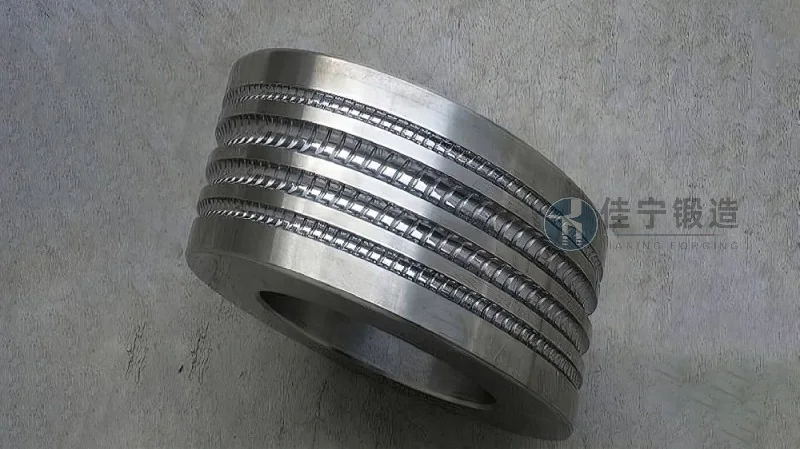
A wind power equipment parts factory in Taizhou, Jiangsu, discovered during long-term operation that the performance stability and service life of its core component—the alloy steel forging—directly affect the overall operating efficiency of the entire machine. The forgings originally used by the factory frequently developed fatigue cracks and rapid wear under harsh working conditions, resulting in high equipment downtime maintenance costs. To enhance product reliability, the factory sought cooperation with forging suppliers with mature technology.
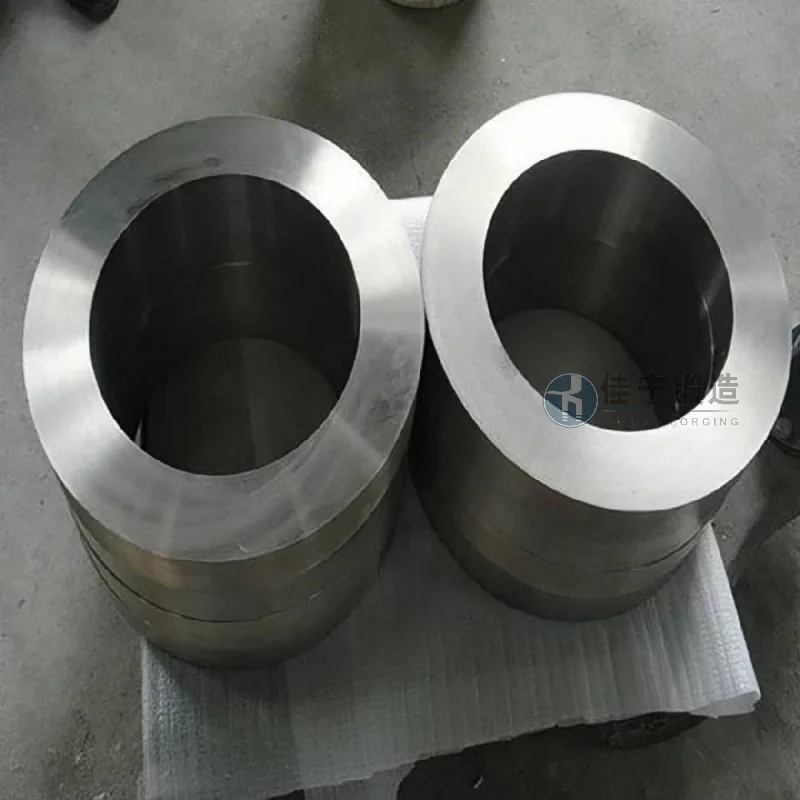
Customers face three major challenges in actual production: First, insufficient internal microstructure density of forgings, which easily develop microcracks under alternating loads; Second, the fatigue strength of the materials is relatively low, making it difficult to meet the design lifespan of wind power equipment for continuous operation of over 20 years; Third, suppliers have long delivery cycles and large quality fluctuations between batches, affecting production scheduling and spare parts management. These issues directly lead to higher operation and maintenance costs and declining equipment availability, severely restricting customers' capacity release and market competitiveness.
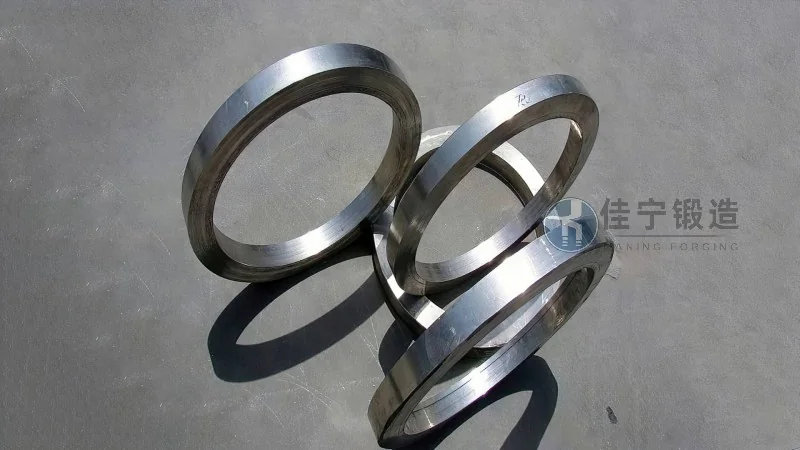
To address these pain points, we offer a mature alloy steel forging solution: using the "multi-directional forging + temperature-controlled post-forging heat treatment" process, which significantly refines grains and eliminates internal segregation, resulting in better density and uniformity of forgings. At the same time, by optimizing alloy composition ratios and forging parameters, the material's tensile strength, yield strength, and fatigue life have all been increased to more than 1.5 times that of the original supplier's products. In terms of delivery support, our company has established a full-process traceability system from raw material warehousing to finished product shipment. Combined with an intelligent scheduling system, we have compressed routine delivery cycles by over 30% and achieved ≤5% variation in key performance indicators between batches. This solution has been applied in batches at the wind turbine parts factory. On-site data shows that the forgings have not experienced any abnormal failures during continuous operation for 12 months, and the effective operation rate of the customer's equipment has increased by about 12%.