Shanxi Jianing Forging provides customized processing of lightweight aluminum alloy forgings and aluminum flanges. The on-site aluminum alloy forging project cases are complete, with products that are lightweight and meet strength standards, compatible with new energy and lightweight equipment.
In the field of metallurgical heavy industry, the performance of alloy steel forgings directly affects the safety and reliability of equipment operation. To address issues such as short forging lifespan and high deformation rates faced by a heavy metallurgical factory in Fuling, Chongqing, under high temperature and high pressure, Jianing Forging provided customized alloy steel forging solutions, improving equipment operation efficiency and maintenance cycles.
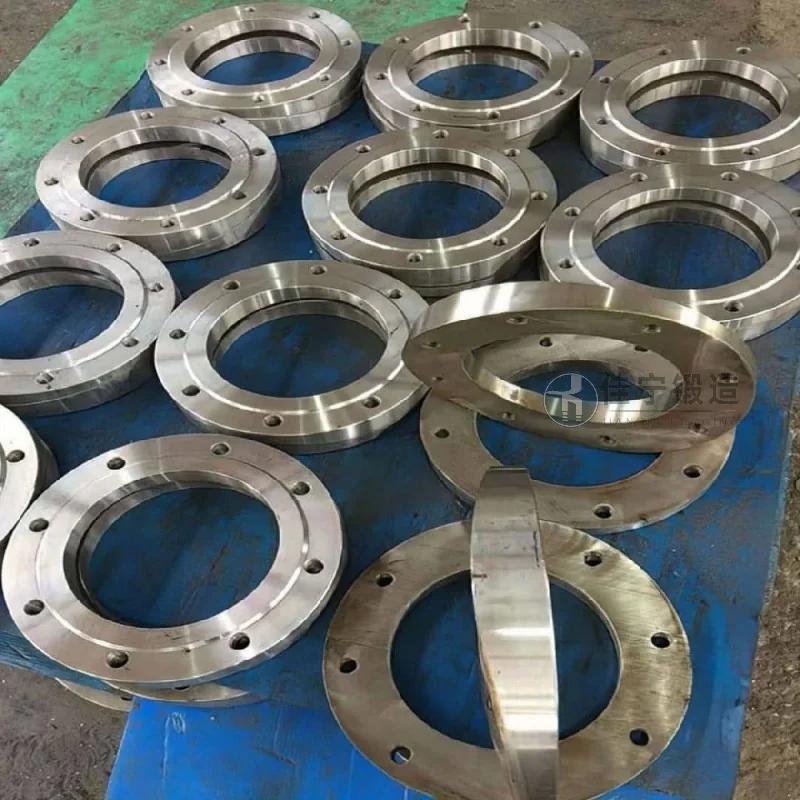
This heavy metallurgical plant has long been engaged in ore smelting and metal processing, and the key load-bearing components in its core equipment must withstand continuous high temperatures and alternating loads. Original forgings frequently exhibit surface cracks and dimensional deviations during continuous operation, leading to an increase in unplanned downtime and seriously affecting production rhythm. Jianing Forging was commissioned to redesign and manufacture alloy steel forgings based on the plant's actual working conditions. After multiple rounds of process optimization and field testing, the final delivered products met expectations in heat resistance, fatigue resistance, and dimensional stability.
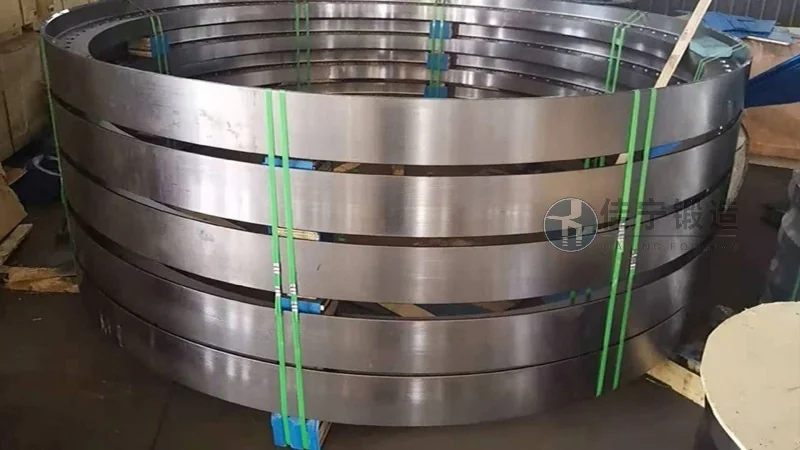
The pain points faced by the factory are reflected in three aspects: 1. Traditional forgings have grain coarsening in environments above 800°C, resulting in insufficient creep resistance, requiring complete replacement every approximately 2,000 hours of operation; Second, the internal residual stress distribution of the forging is uneven, making warping and deformation easily after machining, affecting assembly accuracy; Third, the material reports provided by suppliers differ from the actual batch performance, lacking a traceable quality support system. These issues lead to low overall equipment efficiency and persistently high spare parts inventory costs.
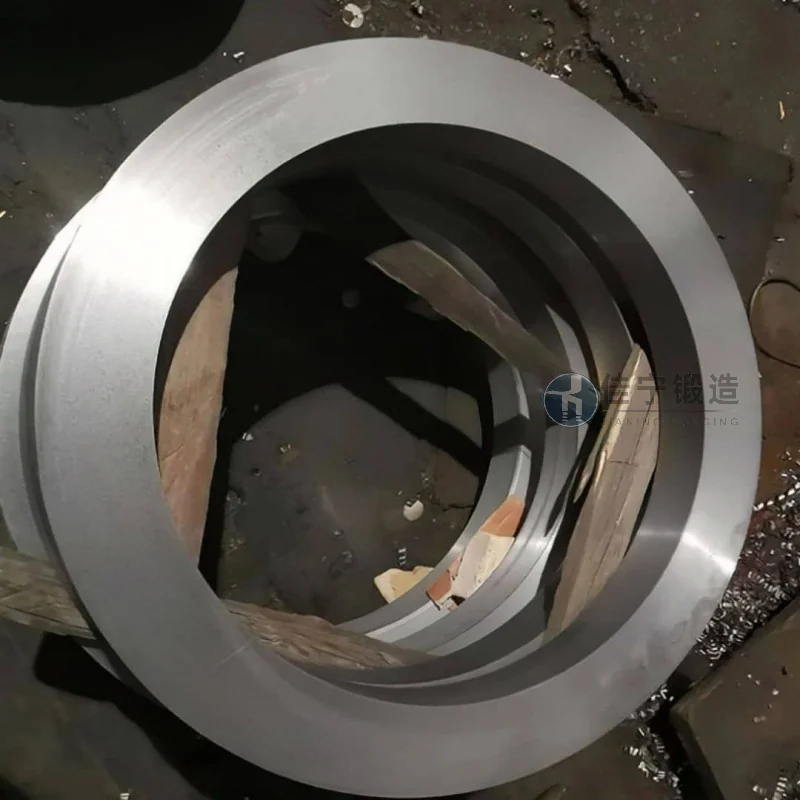
To address these pain points, Jianing Forging has implemented full-chain optimization from materials and processes to quality control:
1. Customized alloy formulations: Adjust the proportions of chromium, molybdenum, vanadium, and other elements according to customer operating parameters, maintaining a stable austenitic structure of the forgings at high temperatures and increasing lasting strength by more than 30%.
2. Multi-directional forging process: Uses three-way compressive stress forging technology, refining grain grades above 8, while eliminating internal looseness and segregation, which helps uniform bidirectional properties of forgings and reduces deformation rates by 50% compared to conventional processes.
3. Fine temperature-controlled heat treatment: Through segmented heating and isothermal annealing, machining stress is effectively released, keeping the final hardness fluctuation range of forgings within ±2HRC, meeting the requirements for fine assembly.
4. Full-process quality traceability: Each forging comes with a digital process card and non-destructive testing report, covering ultrasonic flaw detection, magnetic particle testing, and spectral analysis data, achieving full traceability from ingot to finished product.
Since the factory began mass-adopting Jianing's forged alloy steel forgings, the continuous operating time of the equipment has extended to over 6,000 hours, the frequency of spare parts replacement has decreased by 60%, and overall operation and maintenance costs have been reduced by about 25%. This case fully demonstrates Jianing's forging system's ability to solve core component challenges in metallurgical heavy industry.