Shanxi Jianing Forging provides customized processing of lightweight aluminum alloy forgings and aluminum flanges. The on-site aluminum alloy forging project cases are complete, with products that are lightweight and meet strength standards, compatible with new energy and lightweight equipment.
In the equipment upgrade project at a mining machinery factory in Shangrao, Jiangxi, relatively high-strength alloy steel forgings were used as core materials for key transmission components, directly affecting the continuous operation of the equipment. To meet the special working conditions of this project, our company provides customized alloy steel forging products to help customers solve long-standing issues such as high equipment failure rates and frequent maintenance.
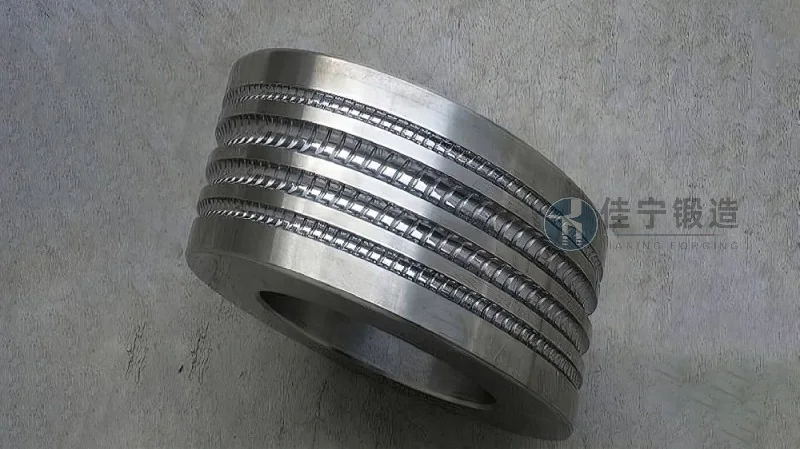
This mining machinery factory mainly produces heavy equipment such as crushers and mills, with components like drive shafts and gears exposed to harsh conditions of high load and high impact for long periods. Components originally made from ordinary steel often experience breakage and rapid wear, seriously affecting production efficiency and overall equipment lifespan. Customers urgently need forging materials that combine relatively high strength with good toughness to cope with the complex stress environments during ore crushing.
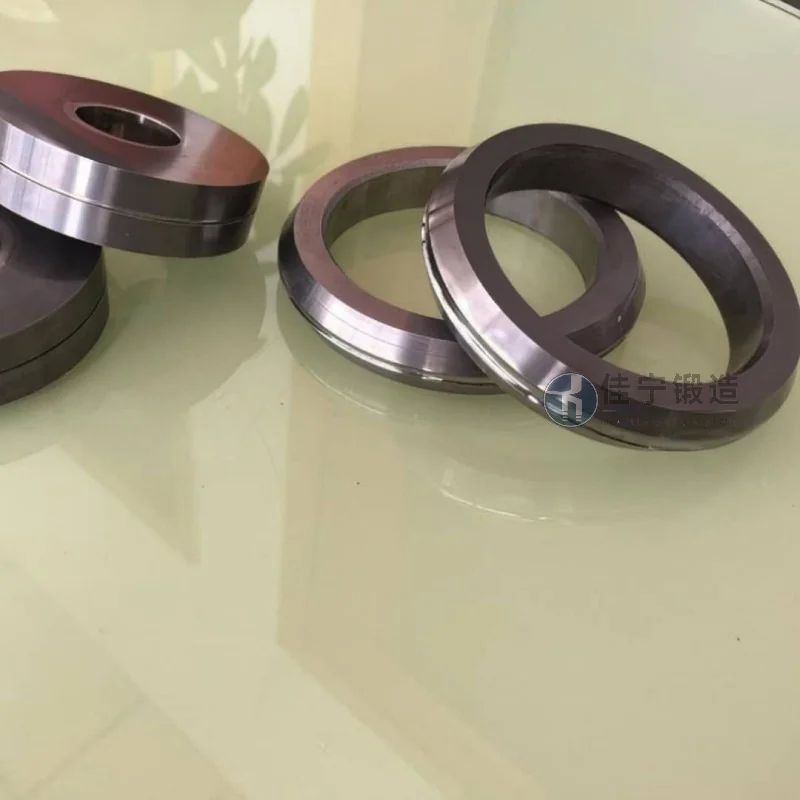
Through in-depth on-site research, we found three major pain points faced by customers: First, the fatigue lifespan of original components is short, with an average replacement cycle of less than three months; Second, it is difficult to balance hardness and toughness; blindly increasing hardness increases brittleness and actually worsens the risk of fracture; Third, suppliers lack customization capabilities, and standard parts cannot match the specific force distribution of equipment, resulting in local overloads. Customers want a forging solution that simultaneously meets high hardness, high impact resistance, and excellent machinability.
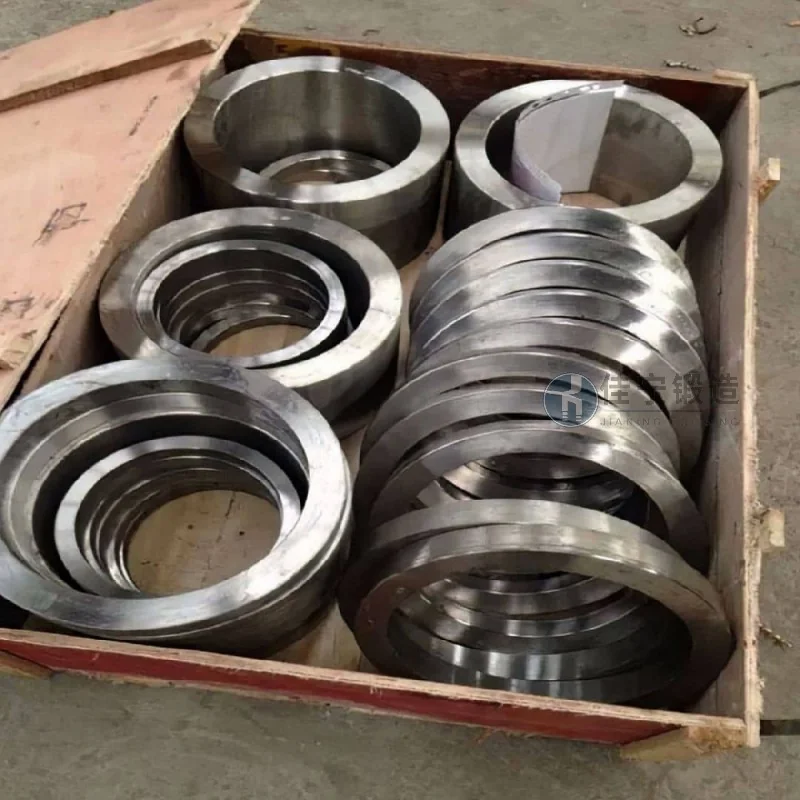
To address these pain points, our technical team adopted optimized alloy composition designs and made fine adjustments to the proportions of chromium, molybdenum, nickel, and other elements, so that after quenching + high-temperature tempering, the forgings obtain a tempered sorbitite microstructure. This structure combines relatively high strength with good plasticity, with tensile strength exceeding 1200 MPa and a cross-sectional shrinkage rate above 40%, improving the "hardness-toughness" contradiction. At the same time, our company uses multi-directional forging technology to evenly distribute metal streamlines, which improves the fatigue resistance of components. The delivered alloy steel forgings underwent six months of continuous operation assessment at the customer's site, with wear reduced by 60% compared to the original parts and no breakage cases, successfully helping the customer extend the replacement cycle to over 12 months. In addition, our dimensional precision machining services enable assembly accuracy to be within 0.05mm, reducing on-site installation and adjustment time.