Shanxi Jianing Forging regularly stocks 20#, A105, 45#, and other standard carbon and high-quality carbon steel raw materials. The station has complete real-world cases of carbon steel flanges, shafts, and ring forgings. Carbon steel forgings offer high cost performance and are suitable for manufacturing general industrial equipment.
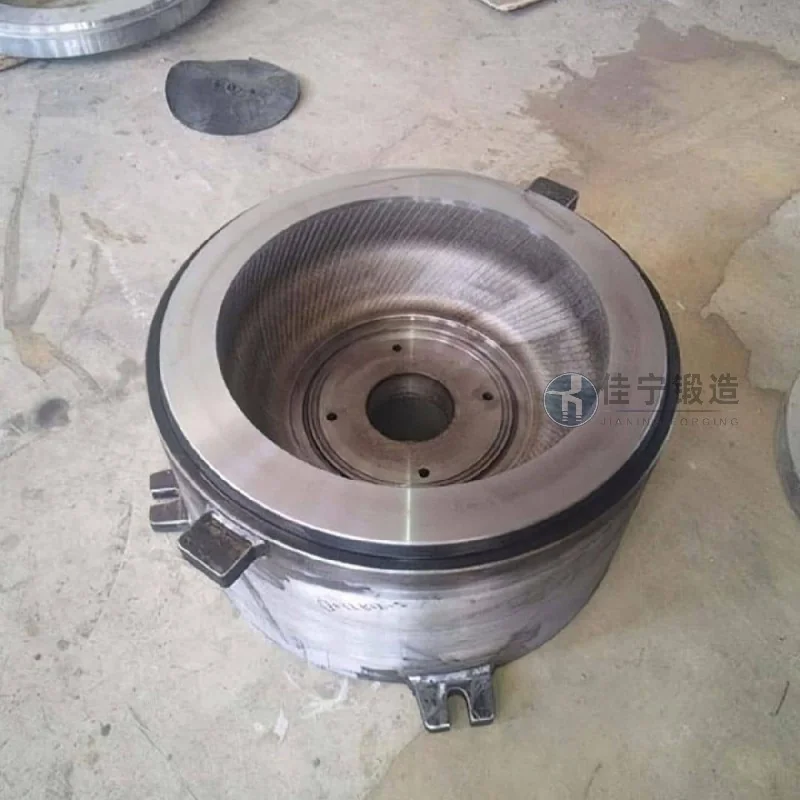
A petrochemical parts factory in Changsha, Hunan, requires a large amount of carbon steel forgings in its high-temperature and high-pressure pipeline system. The factory's original forging suppliers had long supply cycles and unstable batch quality, seriously affecting the continuous operation of its production line and equipment safety. To support key components in meeting the stringent pressure resistance and sealing standards of the petrochemical industry, the plant launched a forging supplier evaluation and replacement program.
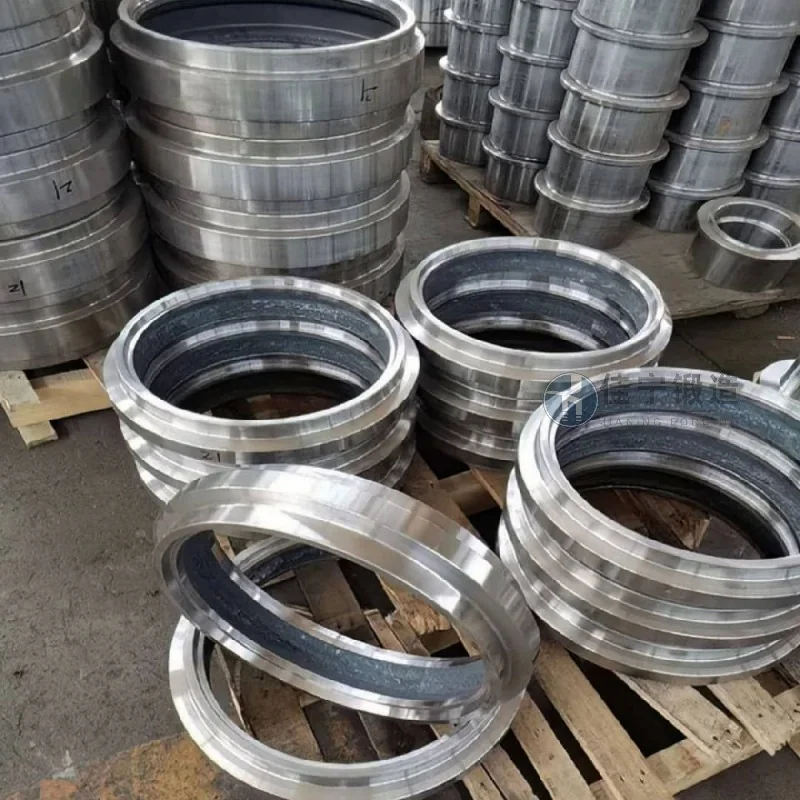
The prominent issues faced by this customer include: insufficient internal microstructural density of the forging, leading to microcracks during use; Poor dimensional accuracy control requires secondary processing during installation, increasing costs; Delivery cycles are frequently delayed, disrupting production schedules; Some forgings show defects exceeding standards after nondestructive testing, resulting in high scrap rates. These pain points directly affect equipment maintenance efficiency and overall operating costs.
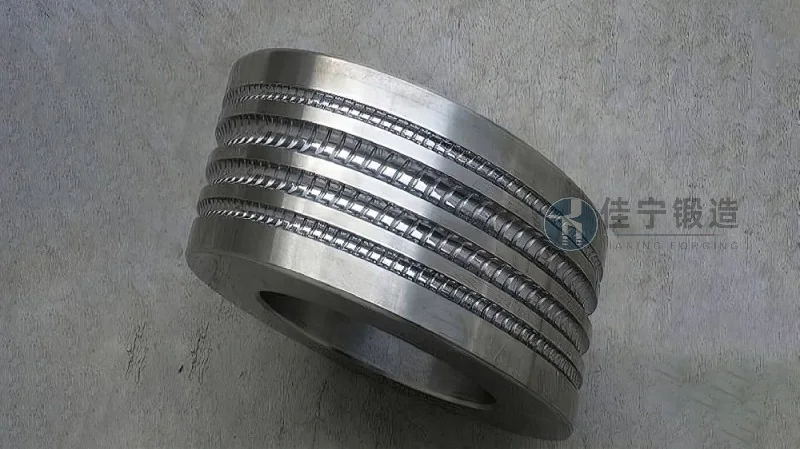
Jianing Forging offers a full-process customized solution for this customer, from raw material selection and forging forming to heat treatment processes. By controlling forging temperature and deformation, it helps make the structure of carbon steel forgings uniform and dense; Precision molds and CNC machining are used to keep dimensional tolerances within the customer's required range; Optimized production scheduling, shortening routine delivery cycles by approximately 30%; Every product passes ultrasonic testing and mechanical performance re-inspection, helping to ensure a factory pass rate. Since switching to Jianing's carbon steel forgings, the on-site installation pass rate has significantly improved, maintenance cycles have been extended, and overall usage costs have been effectively controlled.