Shanxi Jianing Forging includes real-life engineering cases of tube sheets, flanges, and various round disc forgings. The finished products of carbon steel and stainless steel disc forgings are clearly photographed, directly reflecting the processing precision of the forgings and the effectiveness of pipeline compatibility.
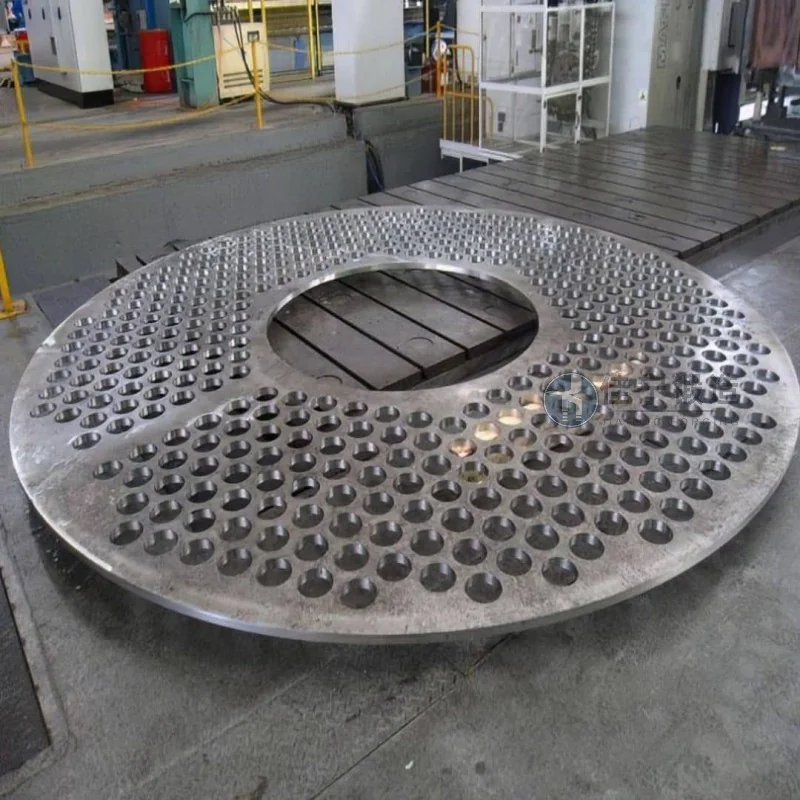
A ship machinery factory in Laiwu, Shandong, has long faced issues such as large processing allowances, low material utilization, and performance fluctuations of finished products when producing shipboard disc forgings. Jianing Forging provided specialized solutions for this batch of disc forgings, from raw material selection to forging process design, helping them achieve stable mass production.
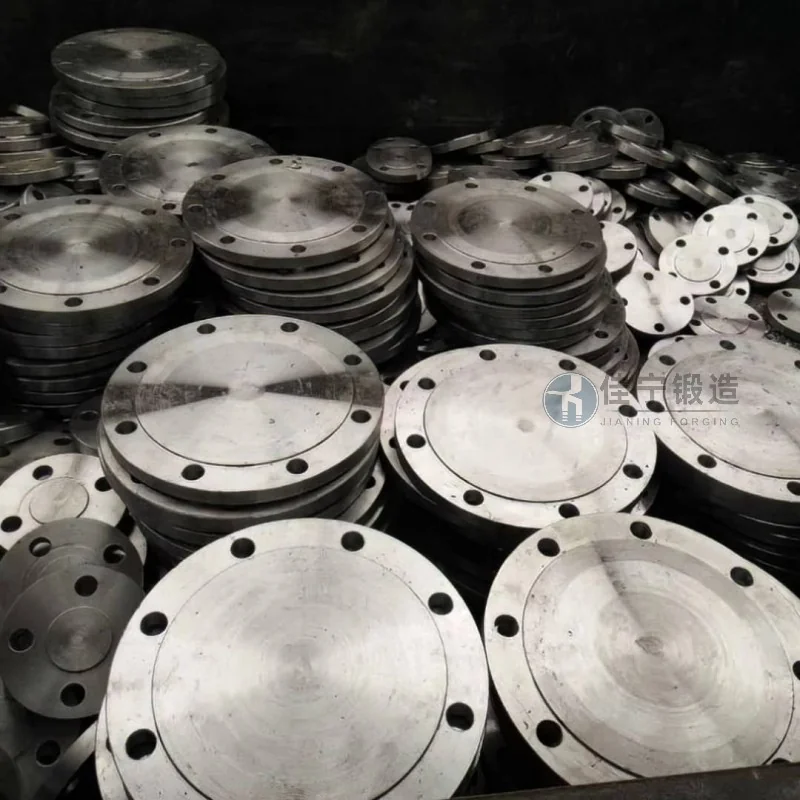
The ship machinery factory previously used disc forgings with the following difficulties: First, insufficient internal microstructural density of the forgings led to localized cracks during subsequent machining; Second, poor dimensional consistency, requiring extensive repairs per batch and extending delivery times; Third, material costs remain high, especially for relatively high-strength alloy steels with loss rates exceeding expectations. These pain points directly affect the assembly efficiency and service life of key marine components.
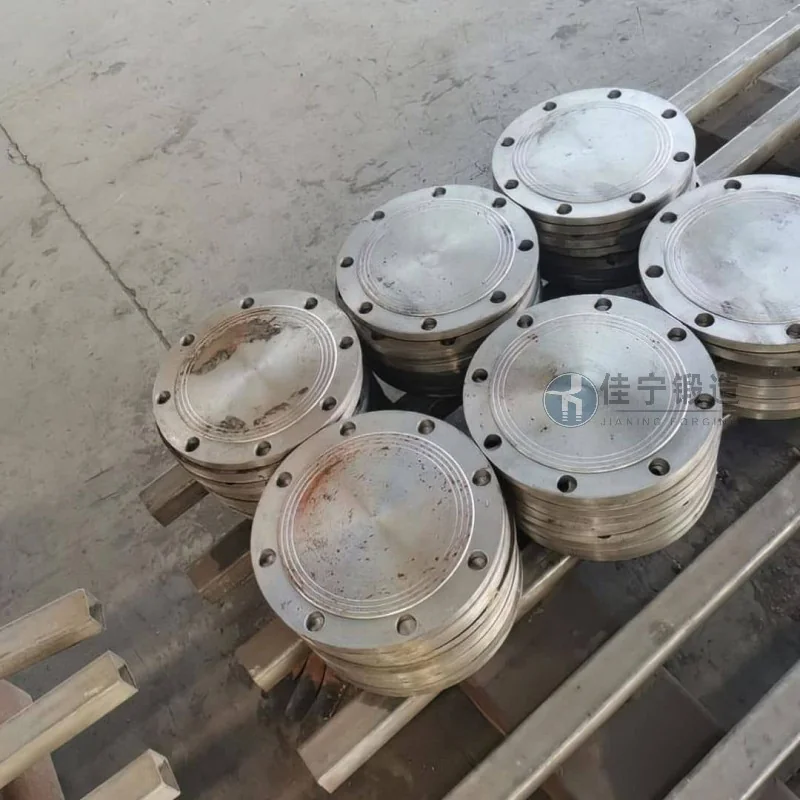
Jianing Forging redesigned the forging process based on the drawings and technical agreements provided by the customer. In the material stage, using pretreated high-quality alloy steel forging billets helps stabilize chemical composition and mechanical properties; In the forming stage, multi-directional die forging technology is used to reduce the risk of discontinuous metal flow lines, ensuring that the fiber structure of disc forgings is evenly distributed along the direction of force; In the heat treatment stage, a dedicated cooling control curve is developed to eliminate residual stress. The final delivered product was tested by a third party, and its mechanical properties met all customer requirements, with about 15% less machining allowance per piece compared to the original process, improving material utilization.
After the implementation of this solution, customers reported that the product pass rate increased from the previous 85% to over 97%, and the production cycle per batch was shortened by about 20%. The disc forgings performed well in subsequent assembly, with no rework caused by billet defects, effectively supporting the on-time delivery of the client's ship machinery project.