Shanxi Jianing Forging includes real-life engineering cases of tube sheets, flanges, and various round disc forgings. The finished products of carbon steel and stainless steel disc forgings are clearly photographed, directly reflecting the processing precision of the forgings and the effectiveness of pipeline compatibility.
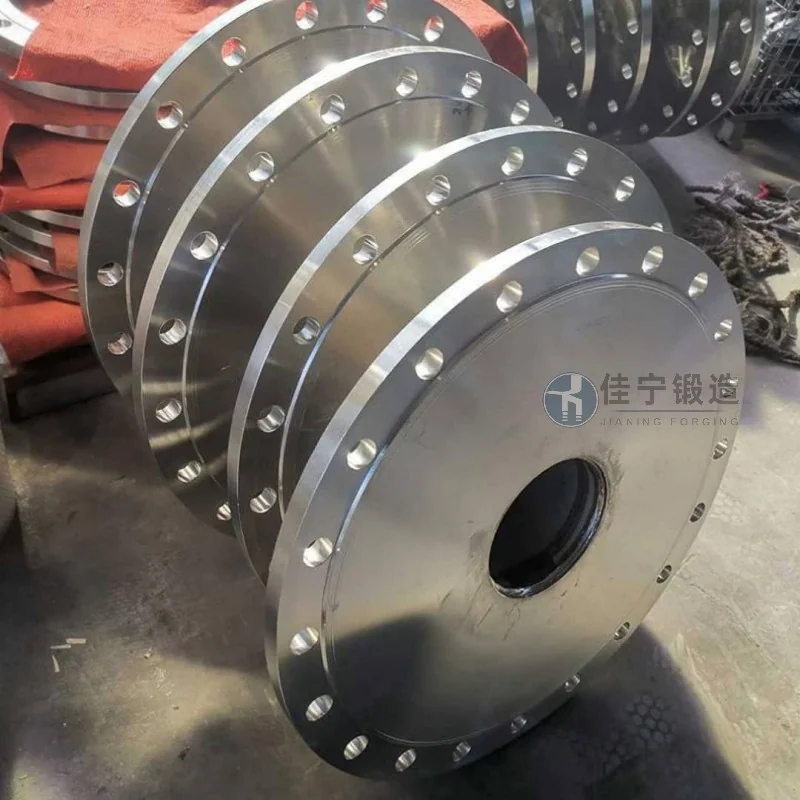
A metallurgical parts factory in Suqian, Jiangsu has long needed to purchase disc forgings for key equipment components operating in high-temperature and high-pressure environments. This factory has high requirements for the dimensional accuracy, internal microstructure density, and service life of forgings. Jianing Forging provides targeted disc forging products based on specific working conditions.
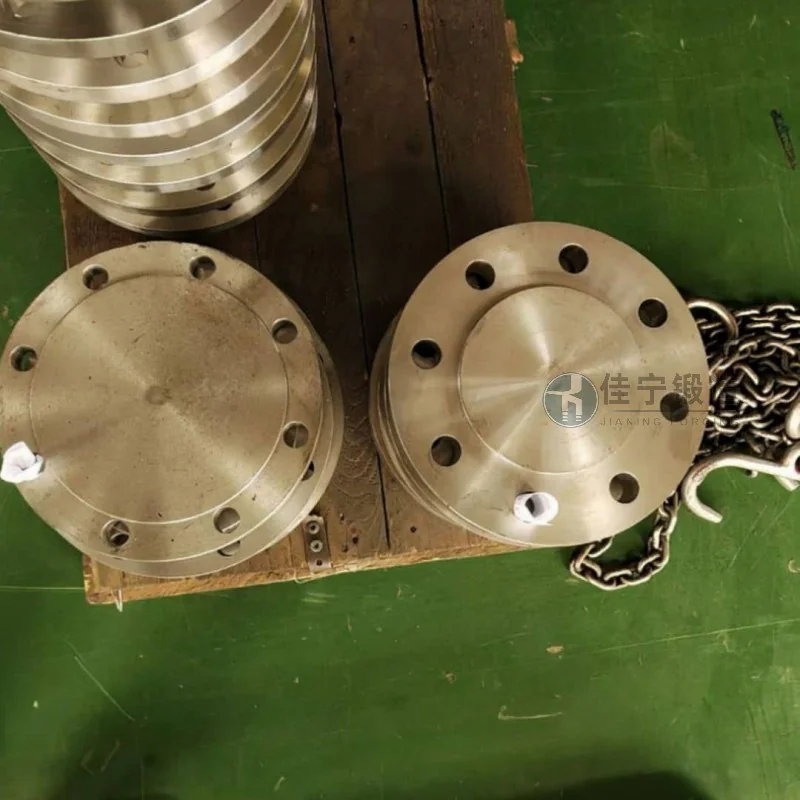
When this metallurgical parts factory uses traditional processes to produce disc forgings, it often encounters the following issues:
1. Large dimensional deviations in forgings lead to uneven machining allowances in subsequent processing, increasing material waste and processing costs.
2. Internal defects such as looseness and segregation directly affect the fatigue life and reliability of components.
3. Some forgings exhibit uneven deformation after heat treatment, affecting assembly accuracy and equipment operational stability.
4. The original supplier's delivery cycle is unstable, making it difficult to match the manufacturer's production schedule.
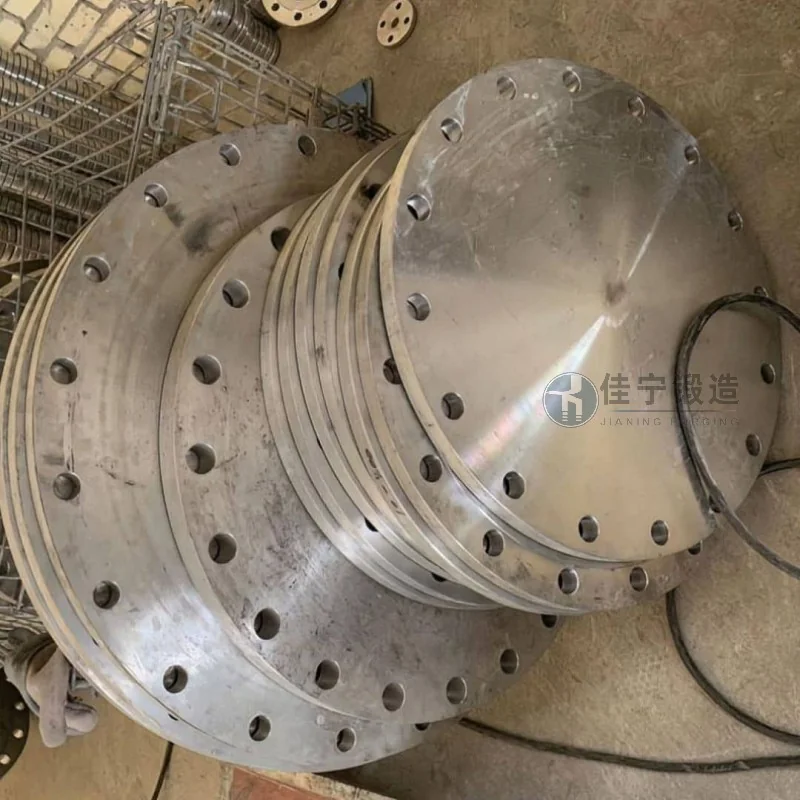
Jianing Forging addresses customer pain points by focusing on process optimization and process control, offering the following solutions:
1. Fine forging process: Uses multi-directional forging and temperature-controlled forging technology to reduce dimensional fluctuations of forgings, keeping the diameter and thickness tolerances of disc forgings within reasonable ranges and minimizing subsequent machining allowances.
2. Internal Microstructure Optimization: Through reasonable forging ratio design and deformation methods, it effectively eliminates looseness and segregation, achieves a fine grain uniform microstructure, and enhances the overall mechanical properties of the product.
3. Customized heat treatment solutions match annealing, normalizing, or quenching and tempering processes according to material and operating conditions, helping to fully release internal stress from forgings and reducing the risk of subsequent deformation.
4. Stable delivery capability. Establish a full-process inspection system from raw material entry to finished product shipment, supported by flexible production scheduling plans to meet customer delivery requirements. This solution has been validated in multiple similar metallurgical projects, helping customers reduce overall operating costs.