Shanxi Jianing Forging can process 304, 304L, 316, 316L stainless steel forgings, with a complete range of real-world cases of stainless steel flanges, shafts, and ring forgings, offering excellent corrosion resistance and suitable for chemical and seawater corrosion protection conditions.
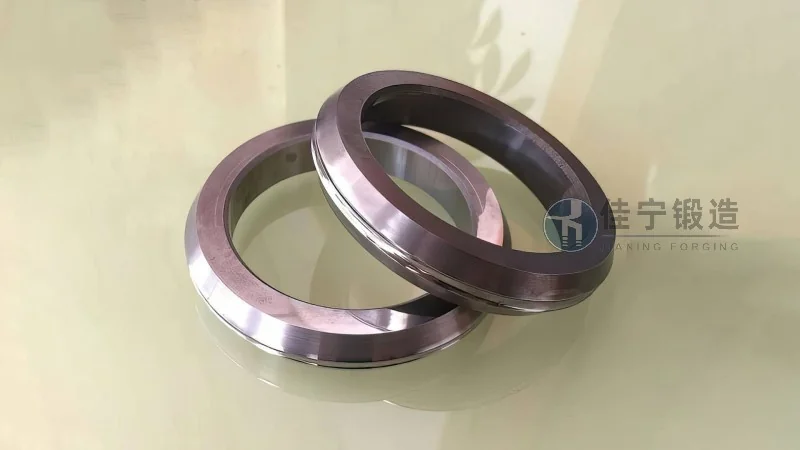
A pharmaceutical valve factory in Wuhu, Anhui, has long been dedicated to the research, development, and manufacturing of fluid control equipment, with key components requiring high-quality stainless steel forgings. The factory has strict requirements for corrosion resistance, mechanical strength, and processing precision in core components such as valve sealing surfaces, stems, and discs. As a professional stainless steel forging supplier, Jianing Forging undertook custom forging tasks for the factory's valve bodies and valve covers.
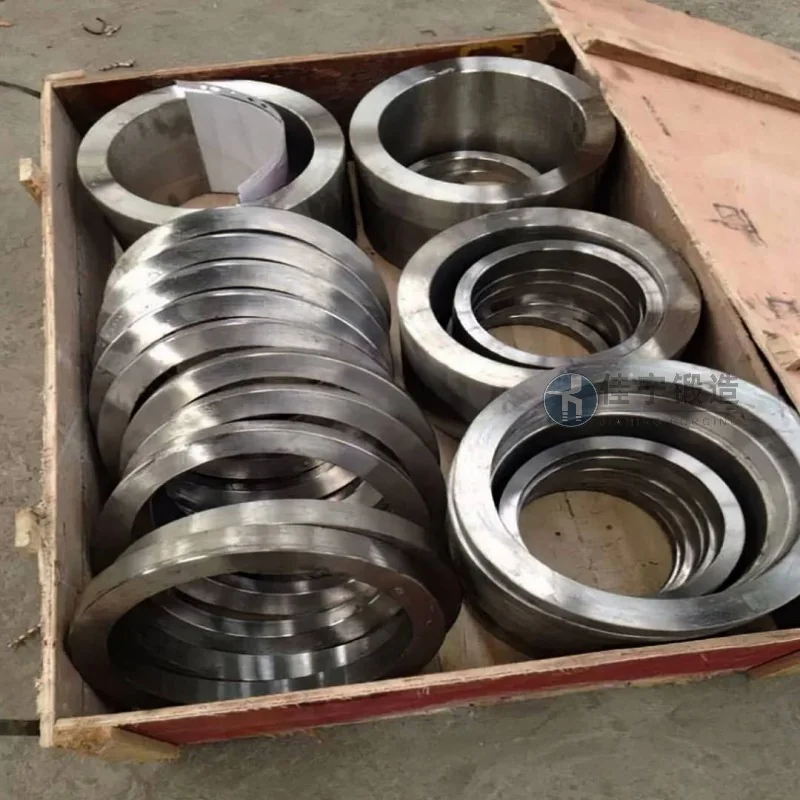
This pharmaceutical valve factory faces several challenges in its existing supply chain: first, the forgings supplied by ordinary forging factories have issues such as loose internal structure and coarse grains, which lead to microcracks on the sealing surfaces during long-term operation, affecting product lifespan; Second, customers require forgings with excellent acid and alkali corrosion resistance to cope with chemical media in pharmaceutical cleaning processes, but some suppliers' material compositions are unstable, resulting in low product pass rates; In addition, valve manufacturers have extremely high requirements for dimensional consistency of forgings, especially the tolerances of fitting threads and sealing surfaces, which must be controlled within ±0.1mm. Traditional processing methods struggle to consistently meet this standard, increasing subsequent machining costs and defect rates.
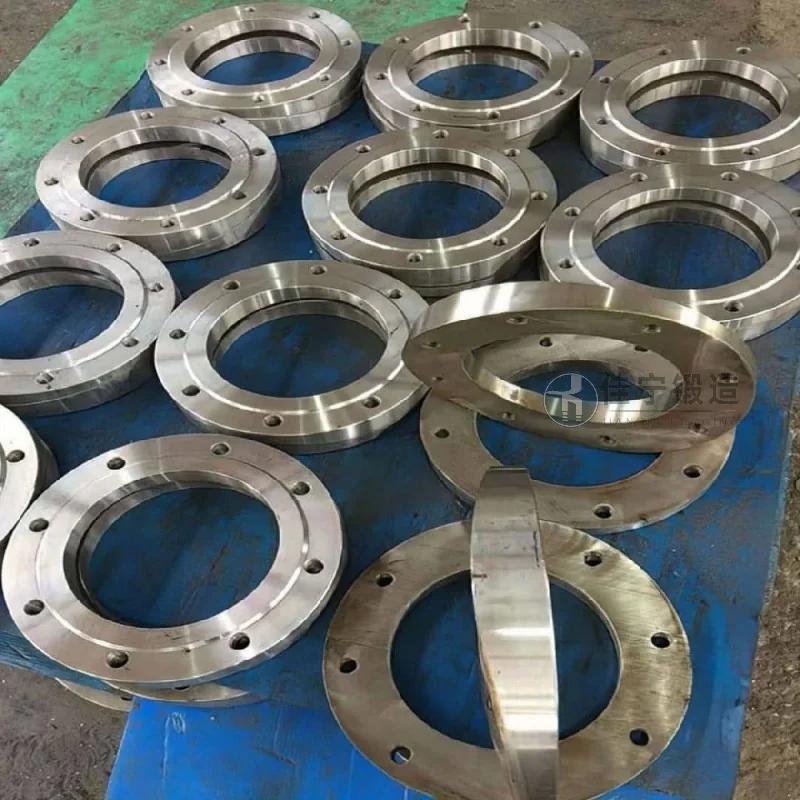
Jianing Forging has provided systematic solutions to address these pain points. In terms of materials, high-quality 316L or duplex stainless steel raw materials are used, and through strict component testing (such as Ni, Cr, Mo content control), forgings have excellent corrosion resistance to meet chloride ion stress corrosion requirements in pharmaceutical environments. In the forging process, multi-directional die forging and temperature-controlled forging techniques are used to effectively refine grains, eliminate internal loosening defects, make the forging microstructure dense and uniform, and improve fatigue strength. At the same time, through fine molds and CNC post-processing, combined with coordinate measuring machines for full-dimensional inspection, forgings can stabilize dimensional tolerances within ±0.05mm, directly reducing customers' post-machining adjustment costs and raising product qualification rates to over 98%. In addition, Jianing Forging offers a complete quality traceability system from raw materials to finished products, with each batch of forgings accompanied by third-party inspection reports, helping customers easily pass GMP and FDA audits.