Shanxi Jianing Forging can process large-diameter pressure vessel shell forgings made of carbon steel, stainless steel, and alloy steel. The station has a wealth of real-world cases of cylinder forging, fully demonstrating the forging capabilities of large-size cylinders and the corrosion-resistant results of finished products.
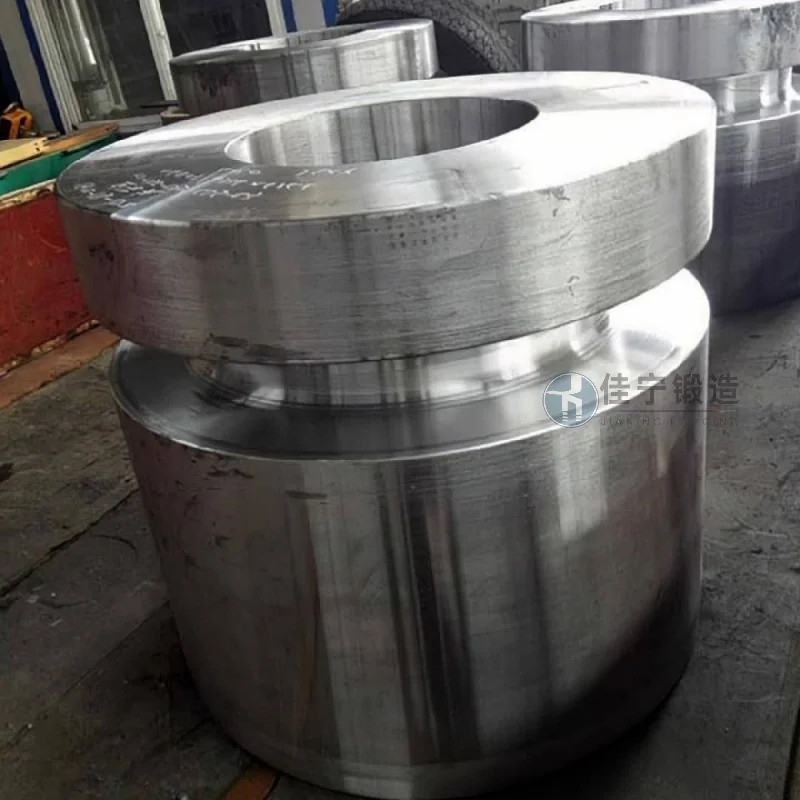
A chemical machinery factory in Chifeng, Inner Mongolia, set strict requirements for internal microstructure density, mechanical stability, and dimensional accuracy in the procurement of pressure vessel shell forgings. This batch of cylinder forgings is used as the core pressure-bearing component of chemical reaction units, requiring long-term operation in environments of high temperature, high pressure, and corrosive media. Any minor defect may cause safety hazards.
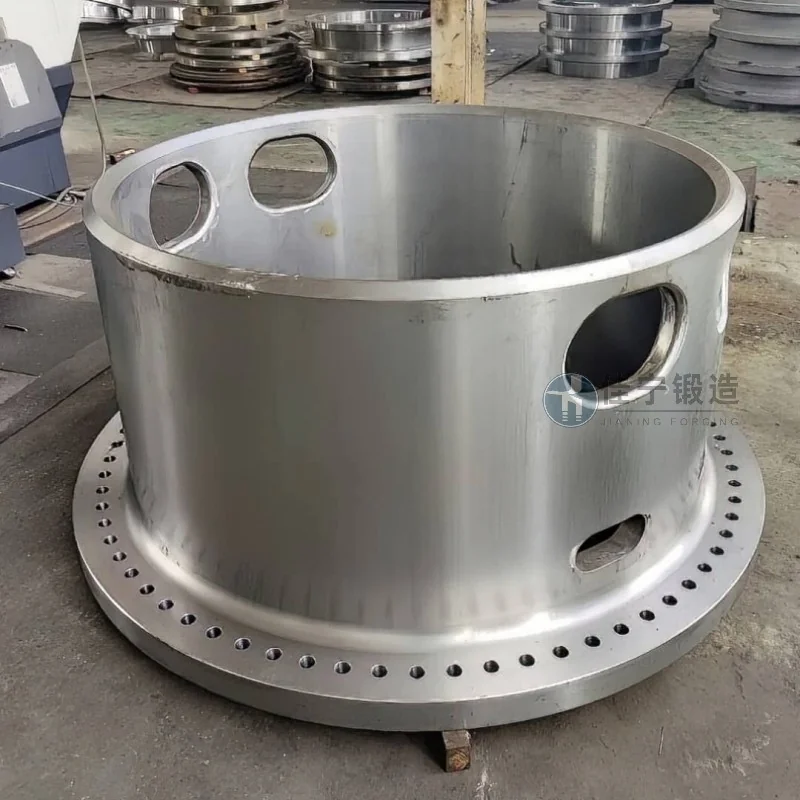
During the initial trial production process, customers encountered the following issues: conventional forging processes struggled to eliminate central looseness and segregation of steel ingots, resulting in a low ultrasonic flaw detection pass rate for forgings; Improper control of post-forging heat treatment process parameters leads to uneven hardness distribution in the cylinder body and significant subsequent deformation; At the same time, delivery times are tight, requiring strict control of production cycles.
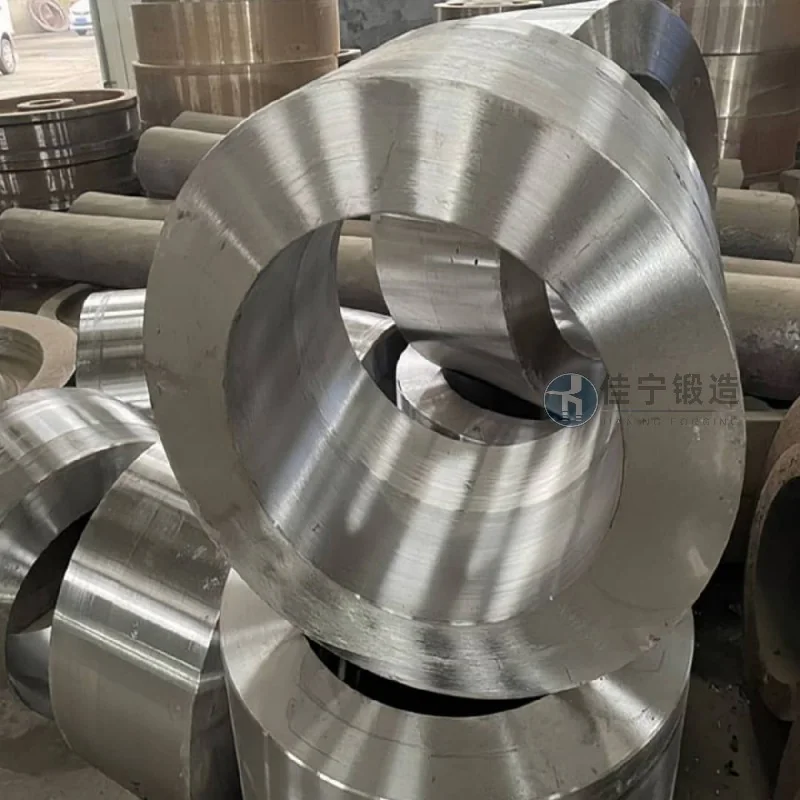
To address these pain points, Jianing Forging has carried out special efforts in three areas: raw material control, forging process optimization, and heat treatment parameter adjustment. High-quality alloy steel ingots treated with vacuum degassing treatment, combined with multi-directional forging technology, effectively break the cast structure and refine grains. By using computer simulations to assist in designing forging ratios, the distribution of forgings is well matched with the stress field. The heat treatment stage uses segmented temperature-controlled normalizing and tempering processes, helping to keep the overall cylinder hardness within the customer's required HB range of 200-250, with a cross-sectional hardness difference less than 20HB. The final delivered tube forgings achieved a flaw detection pass rate of 1, with mechanical properties far exceeding customer standards, saving about 15% of the subsequent processing and assembly cycle for chemical machinery factories, and earning high recognition from customers.