Shanxi Jianing Forging can process large-diameter pressure vessel shell forgings made of carbon steel, stainless steel, and alloy steel. The station has a wealth of real-world cases of cylinder forging, fully demonstrating the forging capabilities of large-size cylinders and the corrosion-resistant results of finished products.
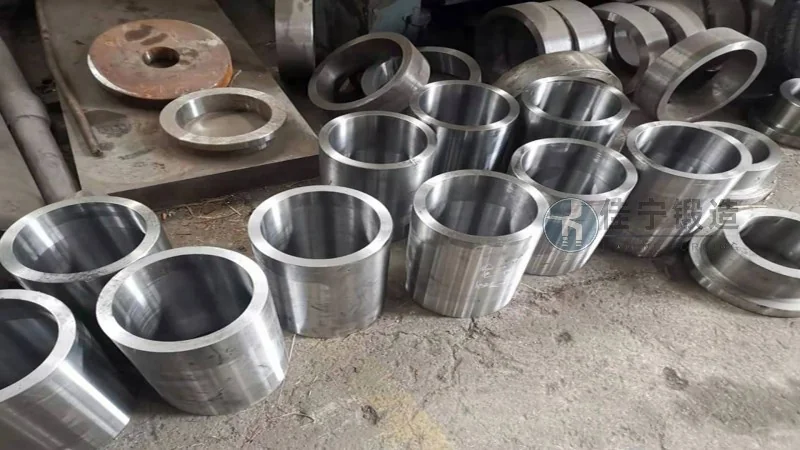
This case focuses on the cylinder forging project at a mining machinery factory in Pingdingshan, Henan. This machinery factory has long been engaged in mining equipment manufacturing and has strict requirements for the reliability, dimensional stability, and service life of barrel forgings. With mature forging technology and fine processing capabilities, Jianing Forging supplies cylinder forgings in bulk that meet technical specifications, effectively supporting the efficient operation of the main machine equipment.
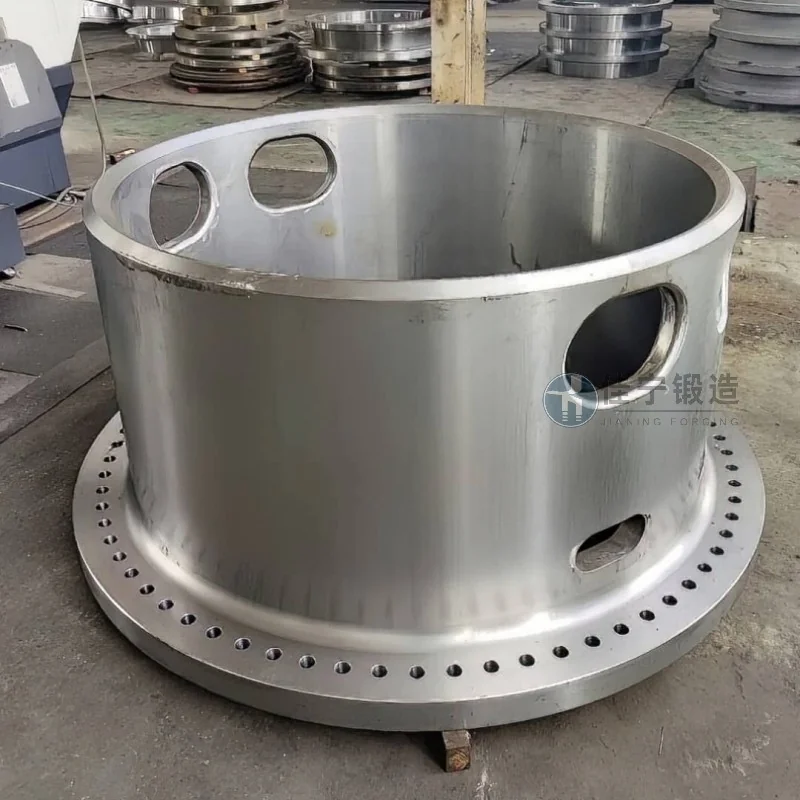
In actual production, the mining machinery factory faces the following prominent challenges: First, the barrel forgings are prone to internal defects under heavy load impact conditions, leading to early failure; Second, the machining allowance for forging blanks is too large, resulting in long subsequent machining times and serious material waste; Third, multiple suppliers have unstable delivery cycles, affecting the assembly progress of the entire machine; Fourth, the mechanical properties of forgings vary significantly between batches, which cannot help ensure equipment consistency. These pain points directly increase customers' quality management costs and production scheduling risks.
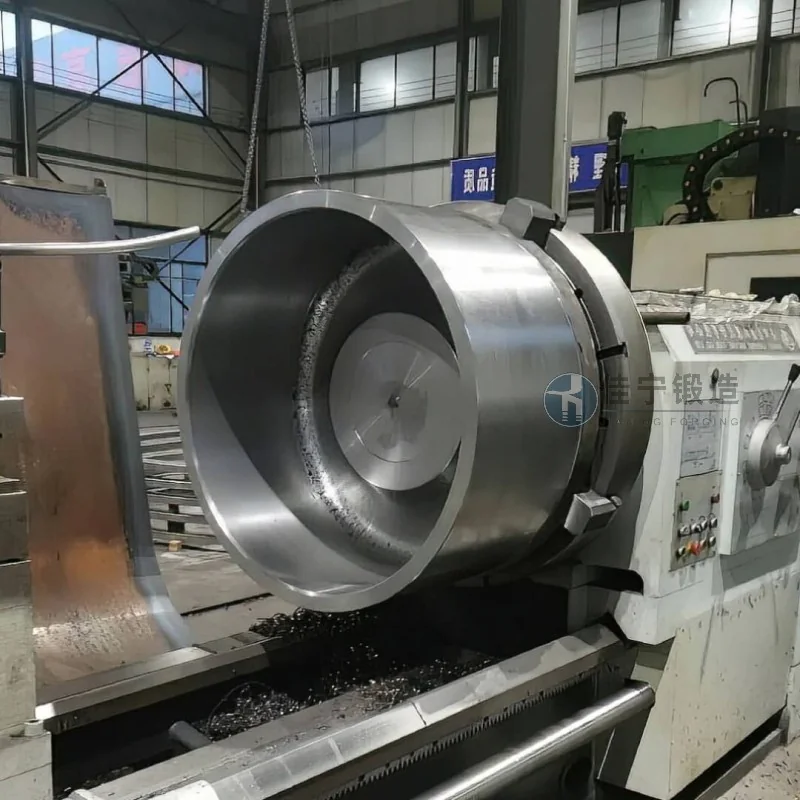
To address these pain points, Jianing Forging offers a systematic solution: First, by using high-quality alloy steel ingots combined with multi-directional forging processes, they effectively break up the cast structure, eliminate internal looseness, and improve the density and isotropy of the forgings. Second, finite element simulation optimizes forging billet dimensions, keeping machining allowances within a reasonable range and reducing material loss by about 12%. Furthermore, establishing a strict heat treatment parameter control process helps keep the deviation of each cylinder's hardness, tensile strength, and yield strength within industry standards. Finally, production scheduling was optimized and a dedicated inventory turnover mechanism was established, shortening routine delivery times by 15 days to support customers' continuous production needs. After multiple batches of supply validation, the first-pass pass rate of this cylinder forging on the customer's assembly line exceeded 98%, with a significant reduction in equipment failure rate, earning full recognition from the customer.