Shanxi Jianing Forging can process large-diameter pressure vessel shell forgings made of carbon steel, stainless steel, and alloy steel. The station has a wealth of real-world cases of cylinder forging, fully demonstrating the forging capabilities of large-size cylinders and the corrosion-resistant results of finished products.
In the field of mining equipment manufacturing, the quality of cylinder forgings as key structural components directly affects the stability and service life of the equipment. During the process of upgrading its production line, a certain mining equipment factory set higher performance requirements for the cylinder forgings.
The cooperation partner is a mining equipment factory in Jingmen, Hubei, mainly producing heavy mining machinery such as crushers and ball mills. The long-term use of cylinder forgings at the plant frequently exhibited fatigue cracks and local deformation under heavy load conditions, seriously affecting the equipment's continuous operation capability, urgently requiring a more reliable forging supplier.
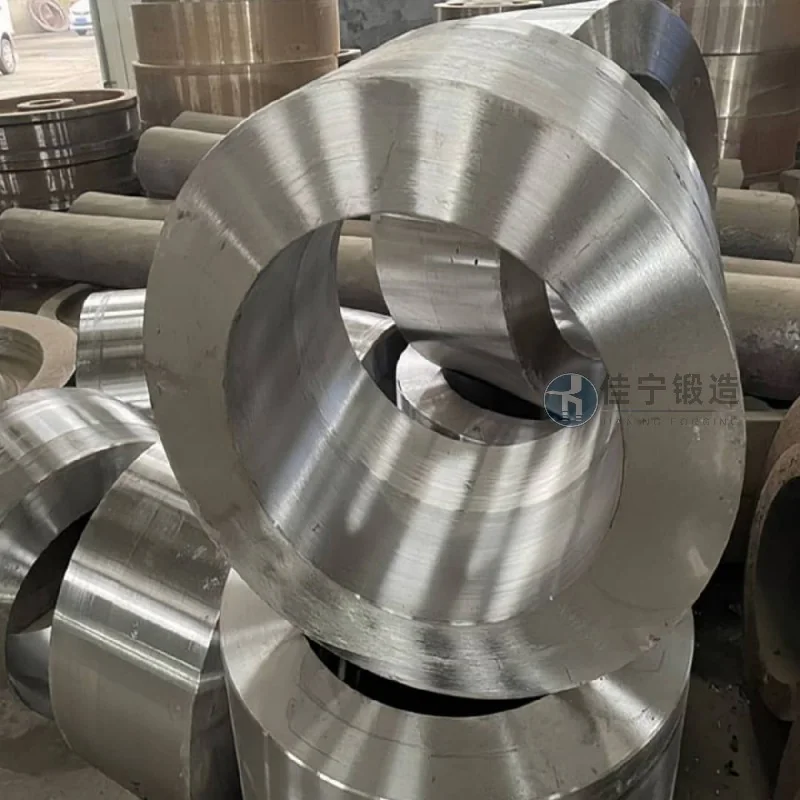
The plant's core pain points focus on three aspects: First, insufficient internal microstructural density of raw materials, which easily causes microcracks to form in forgings under alternating stress; Second, unstable control of outer diameter accuracy, resulting in uneven clearance during assembly, which affects sealing performance; Third, the overall heat treatment process and material compatibility are poor, hardness distribution is uneven, and wear resistance in local areas decreases.
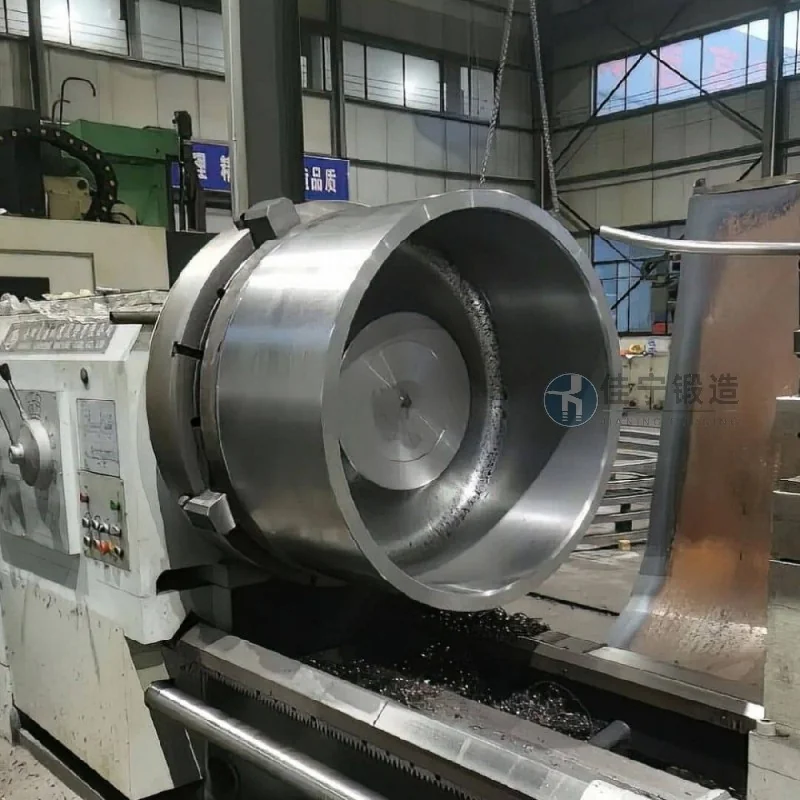
To address these pain points, we offer a systematic solution: selecting high-quality alloy steel billets and eliminating cast defects through multi-directional forging processes, improving metal flow continuity; Precision CNC machining is used to keep the outer diameter tolerance of the cylinder within ±0.5mm; Equipped with a customized quenching and tempering heat treatment process, it helps evenly distribute hardness within the range of 280-320 HBW. Before delivery, each cylinder undergoes ultrasonic flaw detection and magnetic particle testing to verify internal quality.
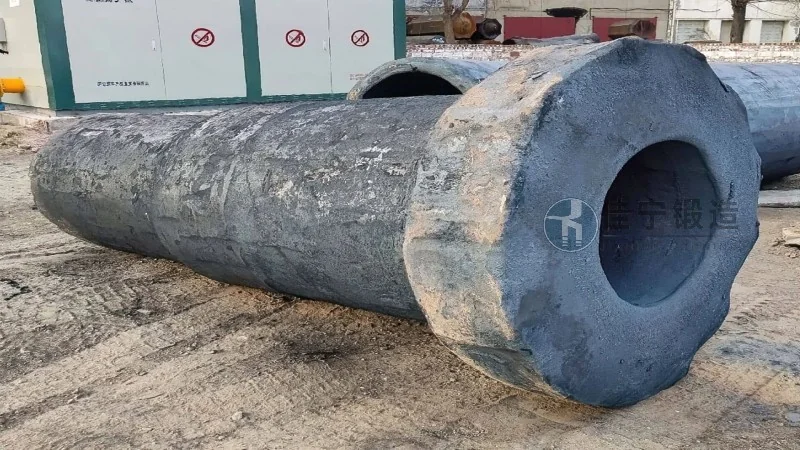
After installing and using this batch of cylinder forgings, the equipment failure rate dropped by about 40%, the maintenance cycle was extended by 1.5 times, and overall operating costs were effectively controlled. Customers reported that forgings performed stably under continuous high-load operation, with no premature failure issues.