Shanxi Jianing Forging can process large-diameter pressure vessel shell forgings made of carbon steel, stainless steel, and alloy steel. The station has a wealth of real-world cases of cylinder forging, fully demonstrating the forging capabilities of large-size cylinders and the corrosion-resistant results of finished products.
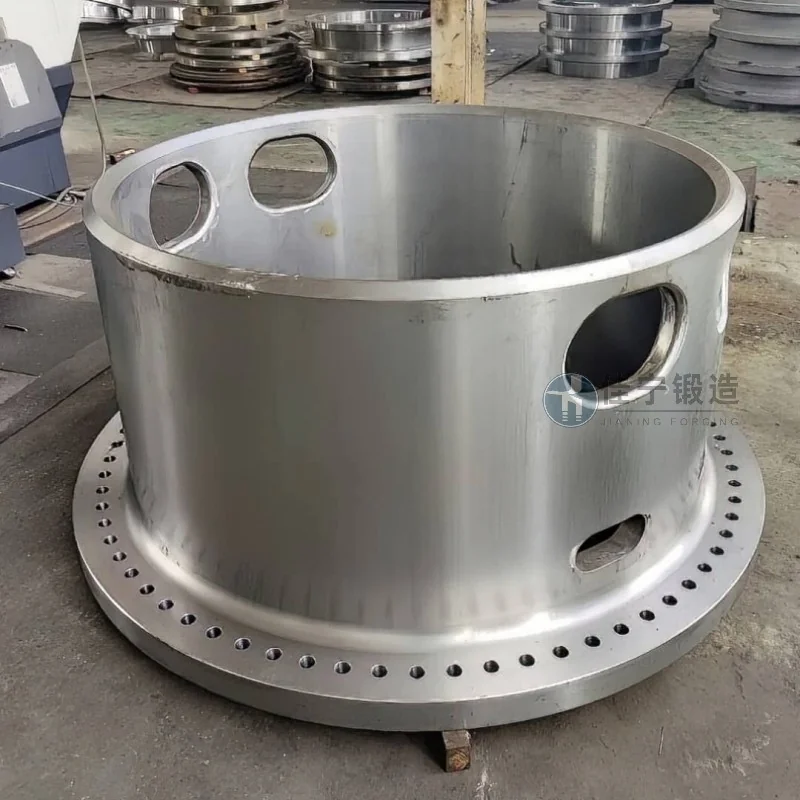
A heavy shipyard located in Linfen, Shanxi, mainly undertakes manufacturing tasks for key components of large ship power systems. In the barrel forging processing stage, the plant has long faced production bottlenecks such as low material utilization, long processing cycles, and insufficient dimensional stability, directly affecting the delivery schedule of the entire vessel and cost control.
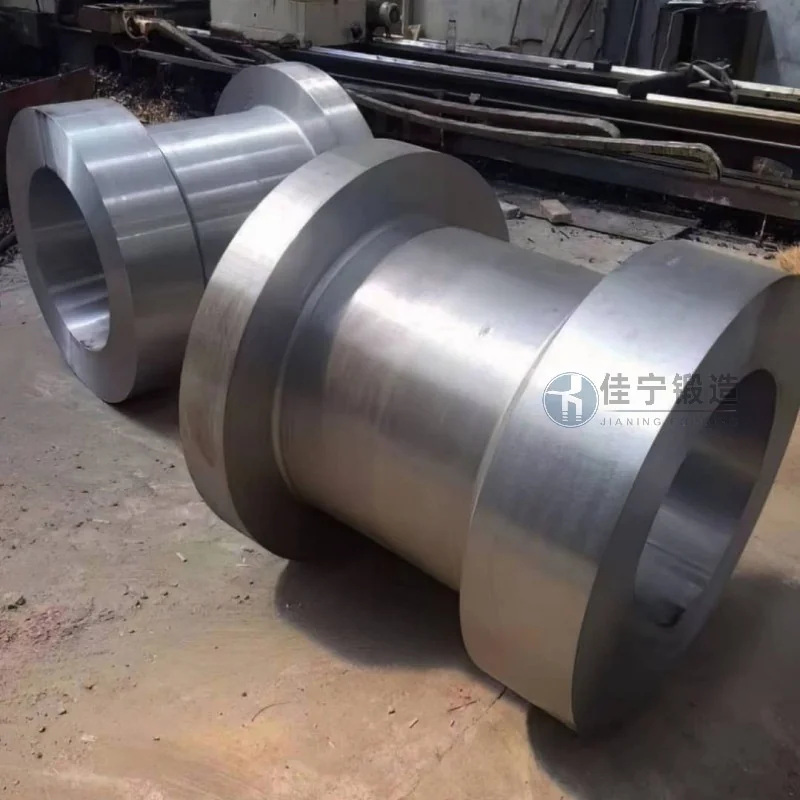
The plant's core pain points are reflected in three aspects: First, the traditional forging process for large cylinder forgings tends to develop internal microcracks, resulting in a high scrap rate during subsequent machining; Second, poor dimensional consistency between multiple batches of forgings requires repeated repairs during assembly, which extends the final assembly cycle; Third, the original supplier cannot simultaneously meet material requirements for higher strength and good weldability, requiring frequent switching of material grades and increasing supply chain management difficulties.
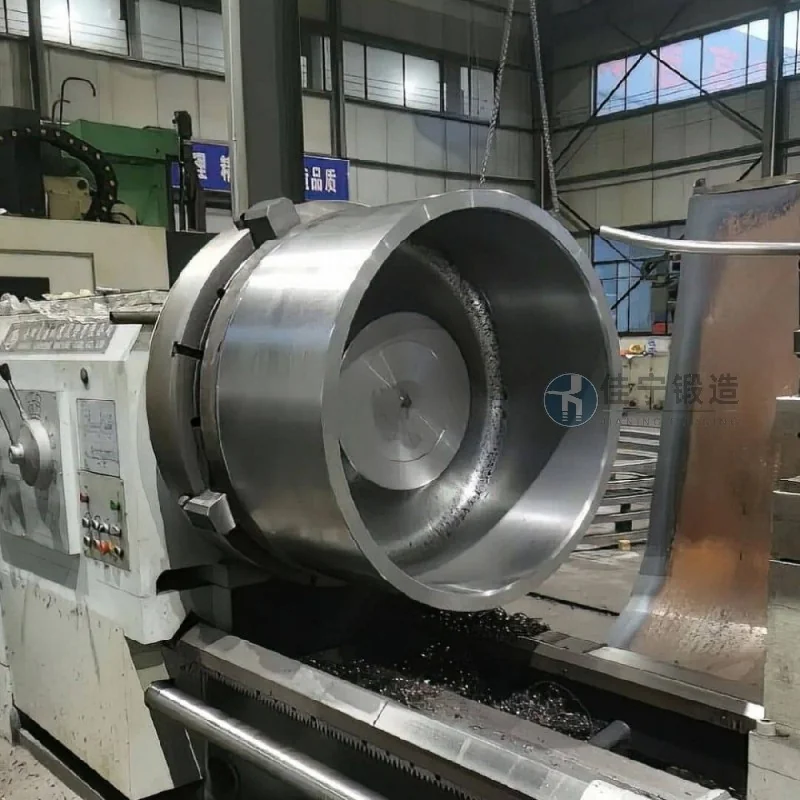
Based on these pain points, Jianing Forging proposed a targeted solution: adopting a process combining multi-directional forging with temperature-controlled cooling to effectively eliminate internal stress concentration and raise forging density by one level; Through meticulous mold design and optimized forging processes, the coaxiality and roundness deviations of the cylinder forgings are controlled within industry-standard tolerances; At the same time, specialized alloy formulations have been developed to enhance weld adaptability while enhancing tensile strength, allowing users to complete subsequent welding processes without additional heat treatment. After implementing this plan, the overall yield rate of barrel forgings at the shipyard improved, and the processing cycle for single parts was shortened by about 20%.