Shanxi Jianing Forging regularly stocks 20#, A105, 45#, and other standard carbon and high-quality carbon steel raw materials. The station has complete real-world cases of carbon steel flanges, shafts, and ring forgings. Carbon steel forgings offer high cost performance and are suitable for manufacturing general industrial equipment.
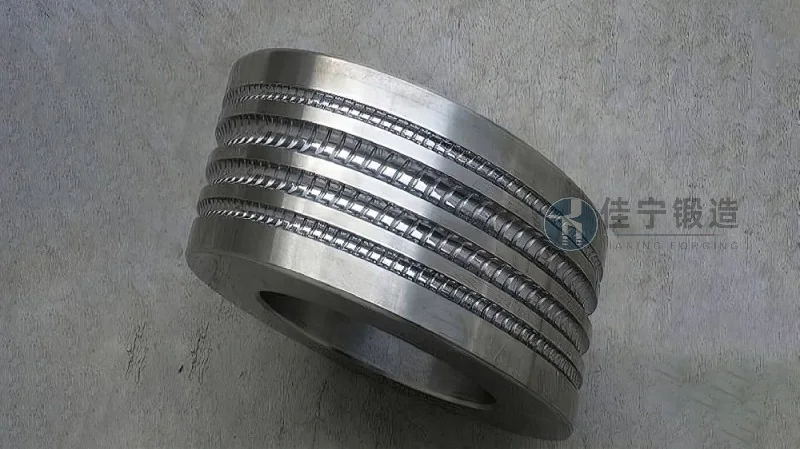
A transmission equipment factory in Shijiazhuang, Hebei has long been engaged in fine mechanical component processing. In the procurement of carbon steel forgings, it faces issues such as large quality fluctuations in supplier batch deliveries and insufficient internal tissue density, resulting in a high scrap rate for subsequent machining and affecting overall production cycles. After extensive selection, the factory ultimately reached a cooperation agreement with Jianing Forging to jointly optimize the production plan for carbon steel forgings.
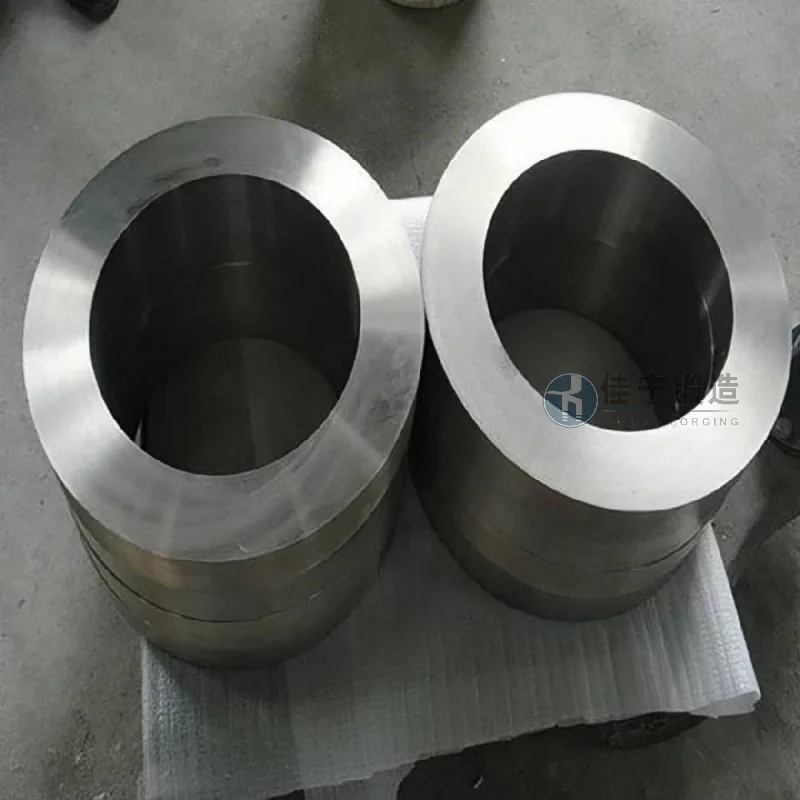
The original carbon steel forging supplier at this transmission equipment factory had the following core issues:
- Slight looseness and micro-cracks inside the forging, which cannot meet the fatigue life requirements of transmission components;
- Poor hardness and dimensional consistency between different batches leads to frequent adjustments in subsequent heat treatment and finishing parameters;
- Unstable delivery cycles, making it difficult to match the manufacturer's rapid production change pace;
- Suppliers lack customization capabilities and respond slowly to material modification needs under special working conditions.
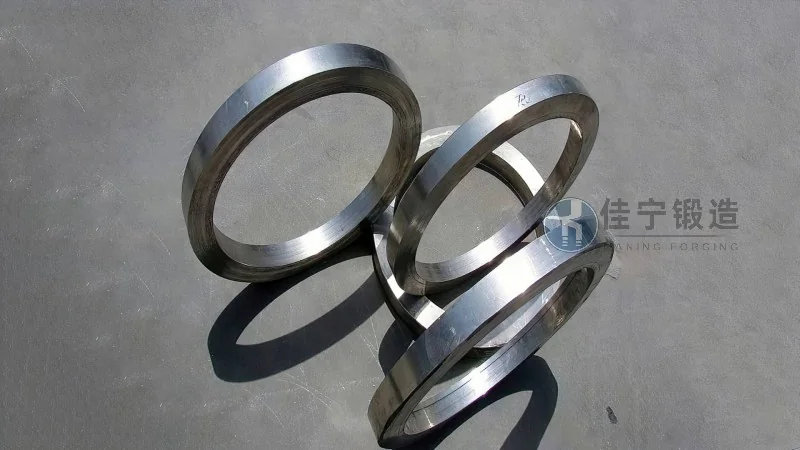
To address these pain points, Jianing Forging has provided systematic solutions for carbon steel forgings:
1. Uses closed-die forging technology combined with multi-pass forging ratio control, significantly refines grains, eliminates internal defects, and ensures forging density meets customer standards;
2. Establish a full-process dimensional inspection and hardness sorting mechanism from raw material entry to finished product shipment, helping to control in-batch deviations within customer-allowed limits;
3. Optimize the connection between production scheduling and heat treatment processes, reducing standard delivery cycles to about 70% of the industry's conventional level;
4. Equipped with a dedicated technical team, we adjust material composition and quenching and tempering processes according to customer-provided working conditions and load conditions, achieving a more accurate match between forging performance and customer equipment requirements.