Shanxi Jianing Forging provides customized processing of lightweight aluminum alloy forgings and aluminum flanges. The on-site aluminum alloy forging project cases are complete, with products that are lightweight and meet strength standards, compatible with new energy and lightweight equipment.
A construction machinery factory in Deyang, Sichuan, needed a batch of high-performance alloy steel forgings for load-bearing parts of heavy machinery when producing key structural components. The factory has set high requirements for the strength, toughness, and dimensional accuracy of forgings, and hopes suppliers can deliver in stable bulk quantities.
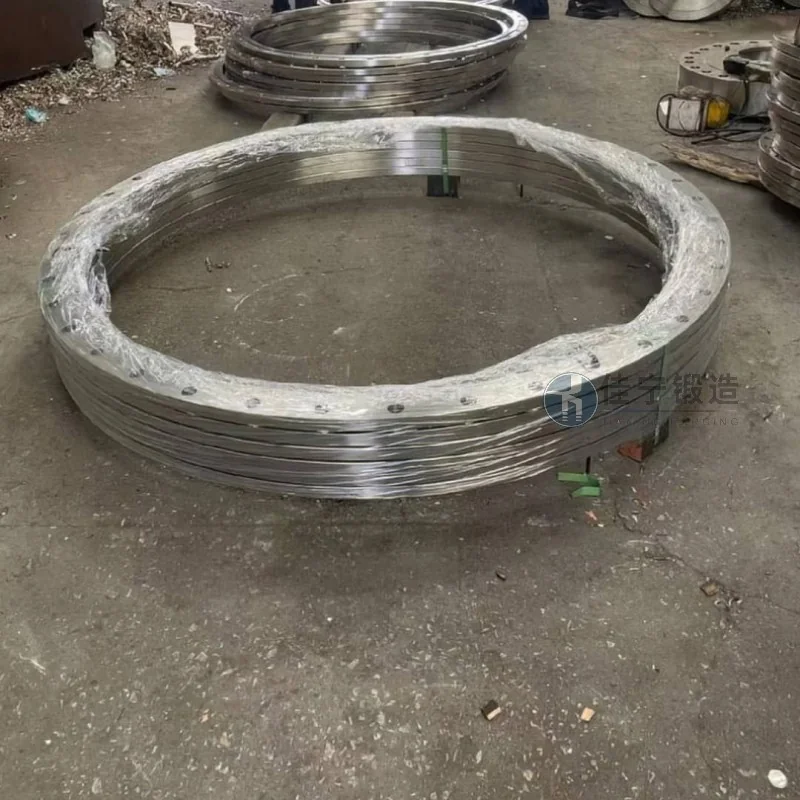
During the early cooperation, the construction machinery factory encountered the following issues: some batches of forgings exhibited internal uneven microstructure, leading to deformation after subsequent heat treatment; Substandard surface roughness of forgings increases the difficulty and cost of subsequent machining; Unstable supplier delivery schedules affect production schedules. At the same time, due to the harsh working environment of construction machinery, there are strict standards for the fatigue resistance and low-temperature impact toughness of forgings, and some products on the market struggle to consistently meet these demands.
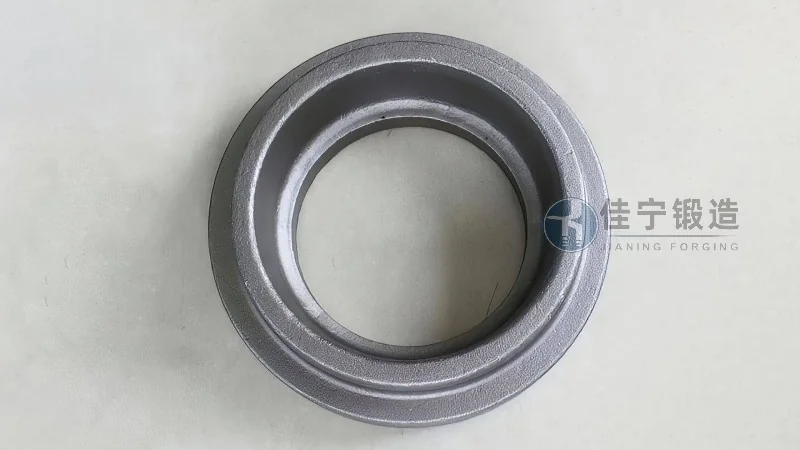
To address these pain points, Jianing Forging offers customized alloy steel forging solutions. Using high-quality alloy steel raw materials, combined with multi-heat forging processes and relatively accurate temperature control technology, helps the internal structure of the forgings to be dense and uniform, reducing the risk of heat treatment deformation. Through finishing and surface treatment processes, the surface roughness of forgings is stably controlled within Ra3.2, reducing subsequent processing costs for customers. In the delivery process, the company has established a coordinated mechanism between material preparation and production, achieving an improved on-time delivery rate for key orders. According to third-party testing, this batch of forgings met or exceeded the design requirements of the construction machinery factory in terms of -20°C low-temperature impact toughness and yield strength, supporting the continuous operation of the equipment.
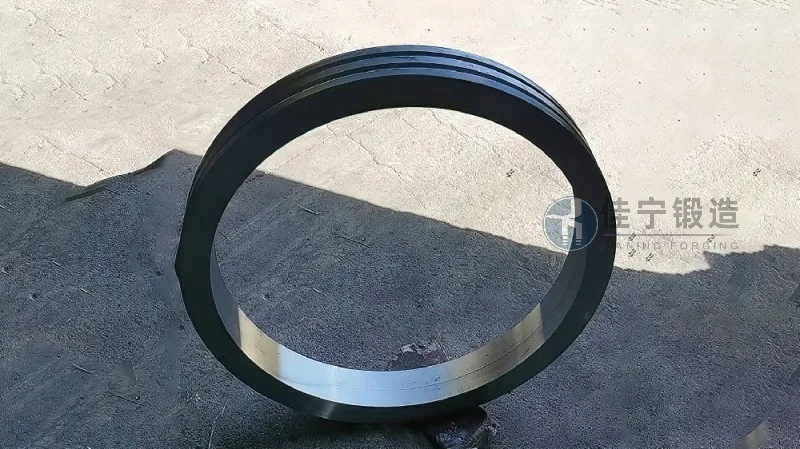
Since adopting this solution, the factory's forging pass rate has increased to over 98%, machining efficiency has improved by about 15%, and rework and downtime caused by forging issues have decreased. The two parties have established a long-term supply agreement, with products covering key connectors and supports for excavators, loaders, and other vehicle models.